
Atlas Concrete Driveways Austin installs, replaces, and repairs concrete driveways in Cedar Park, TX. We’re a locally owned, veteran-owned company, and we size each driveway’s base, thickness, and reinforcement to the ground on your lot and the vehicles it will carry.
Most driveway problems in Cedar Park start below the surface, long before the first crack shows. We’d be happy to schedule a site visit so you know what’s under yours before you spend anything.
Atlas is a locally owned, veteran-owned driveway company with local crews. We handle concrete driveways in Cedar Park from the base up, and you can see the full picture of who we are on our main site.
Much of Cedar Park sits on limestone with shallow, rocky soil, and pockets of clay show up in between. Each behaves differently under a slab. Rock needs excavation to a consistent depth so the base is even, while clay needs extra preparation because it swells after rain and shrinks in dry spells.
When the base isn’t right, you see it within a few years: cracks that keep growing, a section that settles, or water that pools where it shouldn’t. Those are the problems we’re asked to fix most often, and they’re far cheaper to prevent than to repair. Getting the base, slope, and steel right on day one is the whole game. We check depth, rock, and soil type before we quote, so the base plan is written into the price rather than added later.

Water causes most of the trouble we’re called in for. On rocky ground, rain doesn’t soak in quickly, so it runs across the surface and collects wherever the grade dips. Where clay sits under part of a driveway, that collected water makes the soil swell unevenly, and the slab cracks along the line between wet and dry ground.
We set the driveway’s slope so water leaves the surface, keep the edges from turning into channels, and suggest a trench drain or regrading where a lot pushes water toward the slab. If you already have pooling, fixing the drainage comes before any repair, or the problem simply returns.
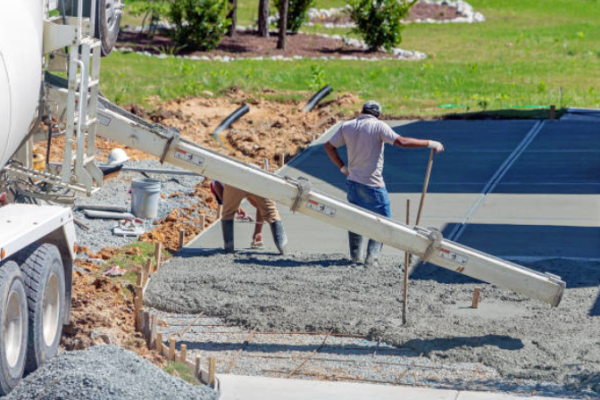
A standard driveway for cars and pickups is typically poured around four inches thick, while driveways that carry heavier loads, such as work trucks or trailers, call for more. Our guide on how thick a driveway should be explains the trade-offs.
Steel matters just as much. Rebar or wire mesh holds the slab together when the ground moves, but only if it sits in the right place within the concrete. The rebar versus wire mesh guide covers which one fits which job.
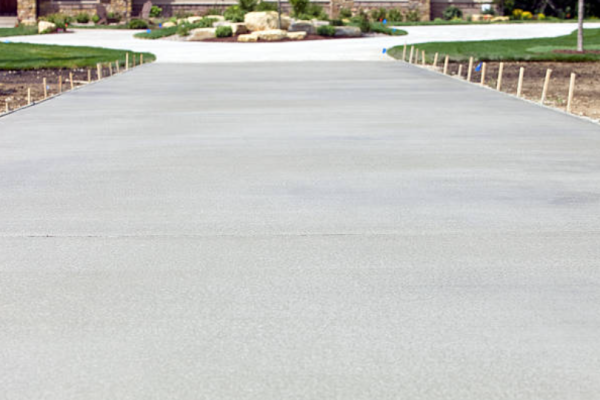
In Cedar Park, driveway permits are issued by the chief building official, and the design of the driveway approach has to be approved before a permit is granted. The city looks at factors like the street, the lot, and traffic safety when it reviews a new approach. The rules are in the city code under Article 16.07: Driveway Permits.
When a new driveway replaces an old one in a different spot, the city code also requires the old curb opening to be removed and the curb restored. If you’re moving or widening a driveway, plan for that work too. Our permit partners prepare and file the permit, and our local permit overview explains the process across the Austin area.
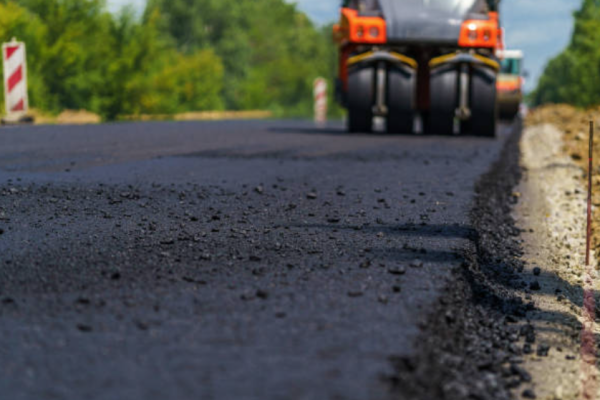
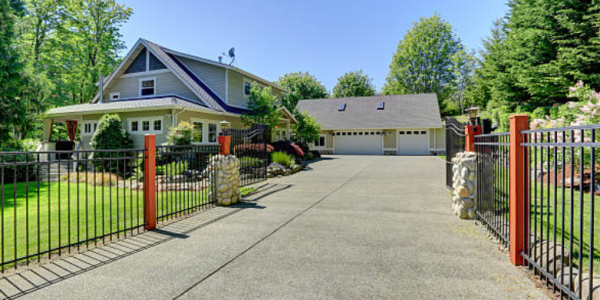
Whatever your driveway needs, we handle it with our own local crews:
Need a driveway for a business property? Our commercial driveway work covers entry drives and parking pads.
We’re fully insured, locally owned, and veteran-owned. You’ll get a written quote, a clear explanation of what your driveway needs and why, and a crew that understands the soil, heat, and drainage conditions around Cedar Park. If a repair will do the job, we’ll recommend it over a full replacement.
In most cases, yes, when the work involves the driveway approach at the street. Cedar Park's chief building official issues driveway permits, and the approach design has to be approved first. If you're relocating a driveway, the old curb opening must be removed and the curb restored. Our permit partners prepare and file the paperwork when it's required.
For everyday cars and pickups, around four inches of concrete on a well-compacted base is typical. Driveways that carry heavier vehicles, such as work trucks, trailers, or RVs, need a thicker slab and more reinforcement. We set the thickness after looking at the soil on your lot and asking what will actually park there, then put it in writing.
Both can work. Rebar is stiffer and handles heavier loads and moving soil better, while wire mesh is common on lighter residential slabs. What matters most is placement: the steel has to sit within the slab, not at the bottom, to do its job. We choose based on the load, the soil, and the size of the driveway.
The usual causes are ground movement and water. Clay pockets swell and shrink with moisture, rocky ground can leave uneven support if the base isn't built to a consistent depth, and poor drainage softens the soil under the edges. Heat adds stress too. A proper base, steel reinforcement, and control joints prevent most of the cracking we see.
Yes, and it usually needs a permit. Cedar Park reviews the new approach design, and if the driveway moves, the city code requires the old curb opening to be removed and the curb restored. We plan that work into the quote, and our permit partners prepare and file the paperwork so the approval is in place before we pour.
Most installs are scheduled within 7 to 10 business days after you approve the quote, plus any time for permit review. Once work starts, excavation, base prep, forming, and the pour usually take a few days, depending on the size of the driveway and the weather. After that, give it about a week before you drive on it while the concrete gains strength.
All concrete can crack, but a well-built driveway cracks less and in the right places. Control joints give the slab planned lines to crack along, steel reinforcement holds it together if the ground moves, and a compacted base with good drainage limits the movement in the first place. Those three things are where we focus our time on every Cedar Park driveway.
Yes. We come out to the property, look at the existing driveway or the area you want paved, check the soil, slope, and drainage, and then give you a written quote with no obligation. Seeing the site is the only way to price a driveway accurately, because base prep and access vary so much from one lot to the next.