For most Austin homes, a concrete driveway should be four inches thick, poured on a compacted base with steel reinforcement. Six inches is the right call for heavy trucks, RVs, or commercial traffic. Thickness is only part of the strength story, though.
How thick should my concrete driveway be? It’s one of the most practical questions a homeowner can ask because thickness affects both how the driveway holds up and how much it costs. The short answer is four inches for a standard residential driveway, and six for heavier use. But thickness works together with the base and reinforcement, so it’s worth understanding the whole picture before you sign off on a slab. If you want a recommendation for your lot, we’ll quote it with our team.
The Standard: Four Inches for Cars
For a typical Austin home, four inches is the right thickness for a concrete driveway that carries cars, SUVs, and light trucks. It’s the industry standard for residential use, and paired with a compacted base and steel reinforcement, it handles daily driving and parking without trouble. Going thinner to save a little money is a false economy here, since an underbuilt slab cracks and fails years early. Four inches, done correctly, is what most driveways need, and there’s rarely a good reason to pour less.
When to Go Six Inches
Some driveways need more. Six inches is the right call when the surface will carry heavy trucks, an RV, a boat trailer, or any steady, concentrated weight, and it’s the standard for commercial concrete driveways that see delivery vehicles and constant traffic. The extra two inches add a lot of load capacity for not much extra slab. If you’re not sure which camp you fall into, the deciding question is simple: what’s the heaviest thing that regularly sits on or rolls across the driveway?
Thickness Is Only Half the Strength
Here’s the part that surprises people: thickness alone doesn’t make a driveway strong. A four-inch slab on a solid, compacted base will outlast a six-inch slab poured on loose, poorly drained ground. The base carries the load, the reinforcement holds the slab together, and the thickness gives it body. All three work as a system, which is why a careful new driveway construction matters more than any single number, and why we cover the full recipe in the best type of concrete for driveways.
How Austin’s Clay Soil Affects the Build
Austin’s expansive clay raises the stakes on getting the build right. Because the soil swells and shrinks with the seasons, a driveway here leans harder on its reinforcement and base than one poured on stable ground would. That often means steel rebar instead of lighter wire mesh, plus control joints placed to manage where the slab flexes. The thickness stays standard, but the reinforcement and base are tuned to the soil, which is a big part of why concrete suits the area, as we explain in our benefits of a concrete driveway section.
Thickened Edges and High-Stress Spots
The edges of a driveway take the most abuse, since that’s where wheels roll on and off and where the slab has the least support beneath it. A good build often thickens the concrete along the edges and at the apron where the driveway meets the street, adding strength exactly where it’s needed most. These details don’t change the headline thickness, but they’re a big part of why a professionally built driveway outlasts a plain, uniform slab poured without them.
Reinforcement: Mesh vs. Rebar
Reinforcement is what ties a slab together so it moves as one piece. Welded wire mesh is the lighter option and works on stable ground, while steel rebar is stronger and the better choice for Austin’s clay, heavier loads, and thicker slabs. We match the reinforcement to the job because the right steel in the right pattern is what keeps a crack from turning into a break when the soil shifts underneath. It’s a small line item with an outsized effect on how long the driveway lasts.
Thickness, Cost, and Lifespan
More thickness means more concrete, so a six-inch driveway costs more than a four-inch one. The base and reinforcement increase accordingly. That said, the right thickness is an investment in lifespan, not an upsell: an underbuilt slab that fails in a few years costs far more than the modest difference for building it correctly the first time. We break down what shapes the cost of a pricing details and what drives longevity in how long concrete driveways last.
Signs a Driveway Was Built Too Thin
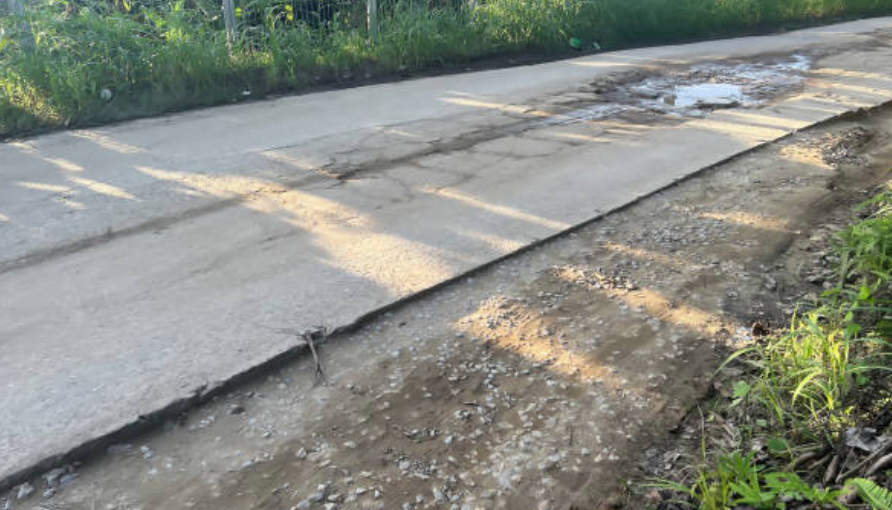
If you’ve inherited a driveway that cracks repeatedly, crumbles at the edges, or develops potholes under normal use, an undersized slab or a poor base is often the cause. You can read more on diagnosing these common concrete driveway problems and solutions. Building back to the right thickness and base is usually the only lasting fix, because you can’t add real strength to a slab that was too thin to begin with, no matter how much you patch it.
Getting the Thickness Right for Your Driveway
The honest answer to how thick your driveway should be is this: thick enough for how you’ll use it, on a base and reinforcement built for your soil. For most homes, that’s four inches; for heavy use, it’s six. We’ll look at your vehicles, your lot, and the ground, then recommend the right build and put it in a no-obligation quote. See what we build Austin lots.
Ready to talk specifics? Call (512) 215-3767 or reach out online,e and we’ll help you get the thickness, base, and reinforcement right the first time.
Frequently Asked Questions
For a standard residential driveway in Austin, four inches is the right thickness for cars, SUVs, and light trucks, poured on a compacted base with steel reinforcement. Step up to six inches if the driveway will carry heavy trucks, an RV, or steady commercial traffic. Just as important as the number is the base and reinforcement underneath, which carry the load and hold the slab together over time.
For most homes, yes. Four inches is the residential standard and is suitable for daily driving and parking when built on a solid, compacted base with reinforcement. Problems come from skimping below that or from a weak base, not from four inches itself. Going thinner to save money tends to backfire, since an underbuilt slab cracks and fails years before a properly built one would.
Six inches makes sense when the driveway regularly carries heavy loads, such as large trucks, an RV, a boat trailer, or commercial vehicles. The extra thickness increases the load capacity for concentrated loads that would stress a four-inch slab. If the heaviest thing on your driveway is a family SUV, four inches is plenty; if it's a loaded truck or an RV, six is the safer, longer-lasting build.
No, they matter together. A four-inch slab on a compacted, well-drained base will outlast a six-inch slab on loose ground. The base carries the load, the reinforcement holds the slab together, and the thickness gives it body. Treating any one of them as the whole answer is how driveways crack, so a good contractor builds all three to match the job.
Most Austin driveways use either welded wire mesh or steel rebar, with rebar the stronger choice for clay soil, heavier loads, and thicker slabs. Reinforcement ties the slab together so it moves as one piece when the ground shifts, keeping small cracks from becoming breaks. The right steel in the right pattern is a small part of the cost and a large part of the lifespan.
Yes. A six-inch slab uses more concrete than a four-inch one, and the base and reinforcement scale up with it, so it costs more to build. But the right thickness is an investment, not an upsell, since an underbuilt slab that fails early costs far more than the modest difference for building it right. We recommend the thickness you use, calls for, and nothing more.
Not in a lasting way. You can't reliably bond new concrete onto an old, thin slab and expect it to perform like a properly built driveway. When a slab is too thin and failing, the durable fix is to remove it and pour a new one at the right thickness on a proper base. We'll assess what you have and tell you honestly whether it can be saved.
Our driveway company specs thickness during the site visit, not after the pour.