
Concrete driveway installation in Austin means excavating, building a compacted base, setting steel reinforcement, and pouring a new slab graded to shed water. Atlas Concrete Driveways Austin handles every step with local crews, sized to your soil and the vehicles you park.
A new driveway is a decades-long investment, and nearly all of its lifespan is decided before the concrete arrives. If you’re planning one, schedule a free site visit and we’ll measure, check the soil and slope, and put the plan in writing.
We’re a locally owned, veteran-owned company, and our local crews install concrete driveways across Austin and nearby cities. We build for the conditions that cause the problems we’re called out to fix most often: expansive clay, summer heat, and water that doesn’t drain away from the slab. If you’re still weighing options, you can browse every driveway service we offer first.
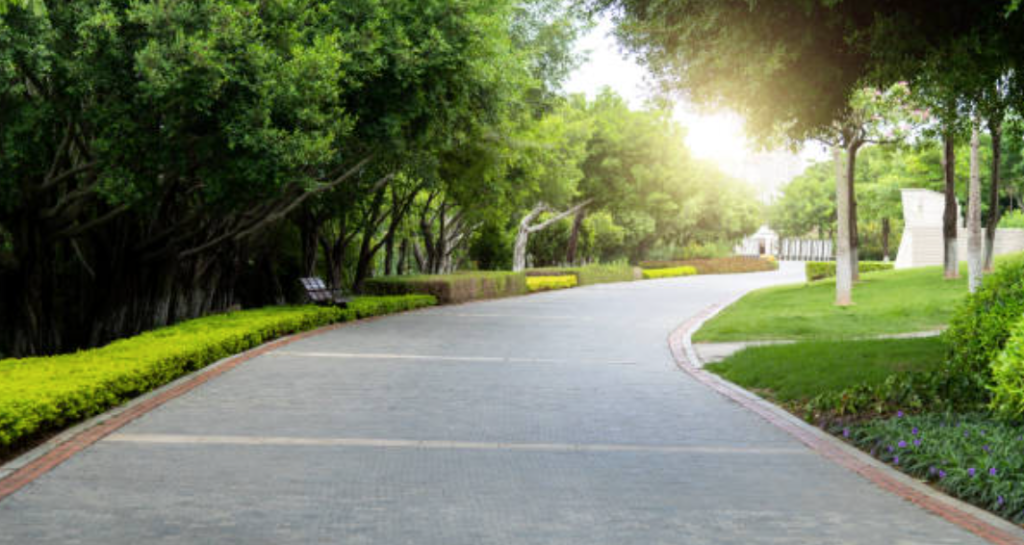
We mark the driveway’s footprint, check where water will go, and confirm whether your city needs to approve the work. A new approach at the street usually sits in the public right-of-way, which in Austin falls under the City of Austin Right-of-Way Permits process. Our permit partners prepare and file that paperwork, and our driveway permit basics guide explains when it applies.
We dig out to a consistent depth, remove soft or organic soil, and build a compacted base so the slab is supported evenly. On clay that swells and shrinks, this layer is what keeps a driveway from cracking and settling as the seasons change. On rocky ground, the work shifts to cutting an even grade.
Forms set the shape and the slope. A standard driveway for cars is typically four inches thick, and driveways for heavier vehicles are poured thicker; our guide to choosing slab thickness covers the trade-offs. Steel reinforcement, rebar or wire mesh, is set within the slab so it holds the concrete together if the ground moves. The reinforcement comparison explains which fits which job.
We pour, strike off, and float the slab, then cut control joints that steer where the concrete cracks so it doesn’t crack at random. In summer we start early so the concrete isn’t curing under the afternoon sun, and we won’t pour ahead of heavy rain. Most driveways take a few days on site; our day-by-day install schedule walks through each stage.
Before anything is dug, we plan the layout with you. Width depends on how many vehicles you park side by side and whether doors need room to open. The approach has to meet the street at a workable angle, and on corner lots or busy streets, sightlines matter. We also decide which way water will run, because the slope set now is the slope you’ll live with for decades.
If you’re thinking about a parking pad, a turnaround, or room for a trailer later, it’s far cheaper to build it in now than to add it after the fact. We’ll sketch the options during the site visit and include them in the quote so you can decide.
Need room for another car or a wider approach? We extend existing driveways and widen approaches with the same base and steel standards as a new pour, tied into the existing slab so the two move together. A wider approach at the street almost always needs city approval, so we confirm that before quoting. An extension that stays entirely on your property, like a parking pad beside the house, often doesn’t.
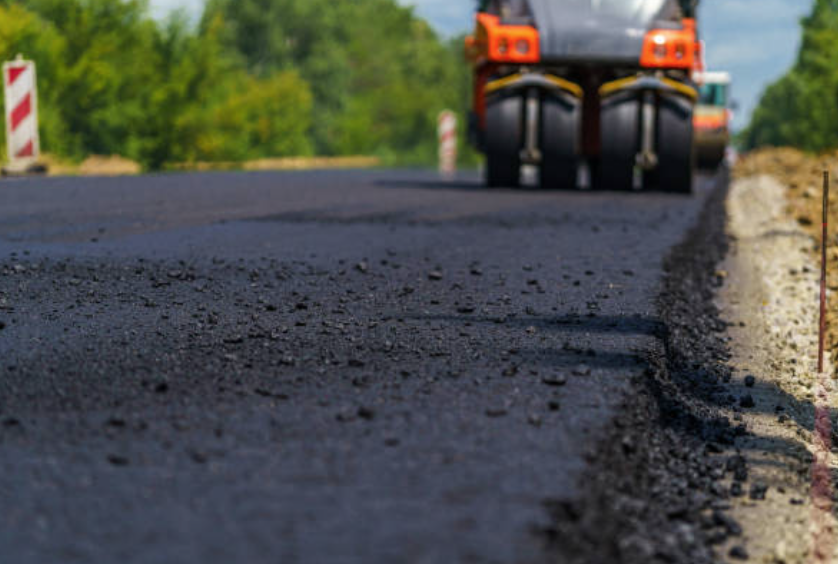
We’re locally owned and veteran-owned, our crews are local, and we’re fully insured. Concrete driveways are the only thing we build, so the details that decide how long a driveway lasts, the base, the steel, the joints, and the slope, get our full attention on every job.
You’ll get a written quote, a clear explanation of what your driveway needs and why, and a realistic schedule: most installs are scheduled within 7 to 10 business days after you approve the quote. You can learn more about our crew before we meet.
Ground conditions change across the Austin area, and so does the base work. Central and eastern parts of the metro sit largely on expansive clay, while western areas and the Hill Country have shallow soil over limestone. We adjust excavation depth, base thickness, and drainage to what we find on each lot.
We install driveways throughout the area, and each city has its own permit wrinkles:
There's no flat rate. The price depends on the driveway's size and thickness, the steel reinforcement, how much excavation and base work the soil needs, access for the trucks, and any permit work at the street. That's why we quote on site after seeing the property. Our guide to new driveway cost factors explains each one in more detail.
Most driveways take a few days on site: excavation and base work, forming and steel, then the pour. Larger or more complicated sites take longer, and weather can shift the pour day. Most installs are scheduled within 7 to 10 business days after you approve the quote, plus any time your city needs for permit review.
You can usually walk on new concrete after a day or two, but plan on about a week before driving on it, and longer before heavy vehicles. Concrete keeps gaining strength for around 28 days. We'll give you specific timing based on your pour and that week's weather; here's a closer look at when the slab is drivable.
For everyday cars and pickups, around four inches of concrete on a well-compacted base is typical. Driveways that carry heavier vehicles, such as work trucks, trailers, or RVs, need a thicker slab and more reinforcement. We set the thickness after looking at the soil and asking what will actually park on the driveway, then put it in the quote.
Often, yes, for the part that meets the street. A new approach or curb cut usually sits in the public right-of-way, which cities regulate. Work that stays entirely on your property may not need approval. Rules vary between Austin, Round Rock, Cedar Park, Lakeway, and Georgetown, so we confirm the requirements for your address, and our permit partners prepare and file the paperwork.
Yes, but we don't pour directly on top of it. We excavate the gravel and any soft soil underneath, then build a proper compacted base so the new slab has even support. Some of the old gravel can sometimes be reused within the base if it's clean and well graded. We'll explain what we're keeping and why during the site visit.
All concrete can crack, but a well-built driveway cracks less and in the right places. Control joints give the slab planned lines to crack along, steel reinforcement holds it together if the ground moves, and a compacted base with good drainage limits movement in the first place. Those are the three things we focus on during every installation.