A concrete driveway in Austin is priced by the job, not by a flat rate, so the cost depends on the size of the slab, the finish you choose, the amount of site prep your lot needs, and the crew’s access. We give you a clear, no-obligation quote in writing after a free visit.
If you’re weighing a new driveway, the first question is almost always the price. There isn’t a single sticker price, because no two lots are the same, but the factors that set the cost are easy to understand. Below, we walk through what shapes the price of a concrete driveway in Austin and how the three jobs differ. If you’d rather skip ahead, we’ll give you a free quote for your exact driveway, measured and in writing.
What Sets the Price of a Concrete Driveway in Austin
Here’s the honest version: there’s no flat rate, because no two driveways are alike. A standard four-inch slab is the budget baseline. A thicker, more heavily reinforced slab for heavy vehicles or difficult soil costs more. A full replacement costs more than a fresh pour because it involves tearing out and hauling off the old slab before the new one goes down. Where your driveway ends depends on the handful of factors we walk through below, and the only way to get an accurate number is to have us measure it.
What we can promise is a clear, itemized quote. A new concrete driveway installation on a clear, flat lot sits at the simpler, more affordable end, while a sloped lot, heavier reinforcement, or a tear-out adds to the work and the price. Either way, you get a measured, written number before any work starts, with no obligation.
What Drives the Price
A few factors do most of the work in moving your total up or down:
- Size. Square footage is the single biggest factor. A two-car driveway around 600 square feet costs far less than a long, wide approach to a detached garage or a circular drive.
- Slope and drainage. Lots that need grading or drainage work to manage Austin’s clay and heavy rain add to the prep, since the base has to shed water to last.
- Site prep and soil. Austin’s expansive clay often needs grading, a deeper gravel base, or drainage work, and that prep adds to the total on lots that don’t drain well.
- Thickness and reinforcement. A standard four-inch slab with wire mesh covers most cars. Six inches and rebar make sense for heavy trucks, RVs, or problem soil, and they raise the price.
- Access and demolition. If the truck can’t reach the pour, crews pump or wheelbarrow the concrete, which adds labor. Removing an old driveway is a line item in its own right for a replacement.
For more on which mix and reinforcement suit your lot, see our guide on the best type of concrete for driveways. For a business or HOA project, commercial concrete driveways and pads are priced slightly differently due to the added thickness and traffic they’re designed to withstand.
Install, Replace, or Repair: How the Cost Splits
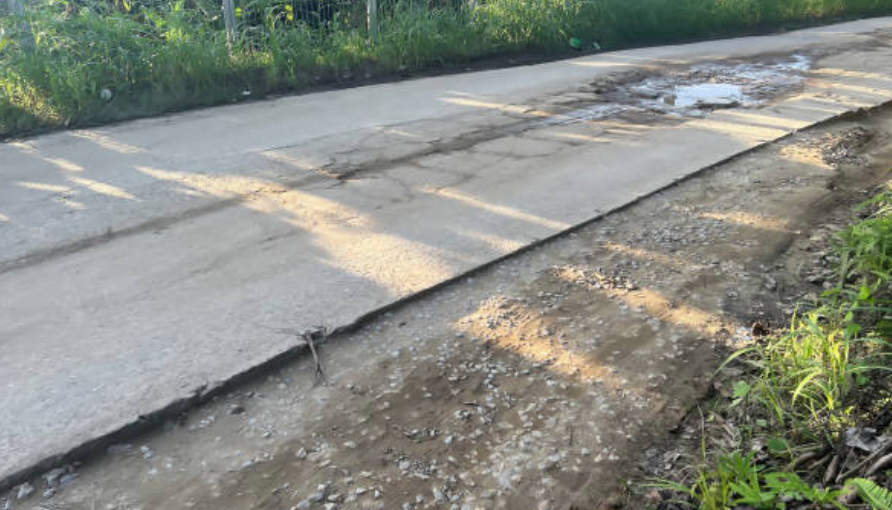
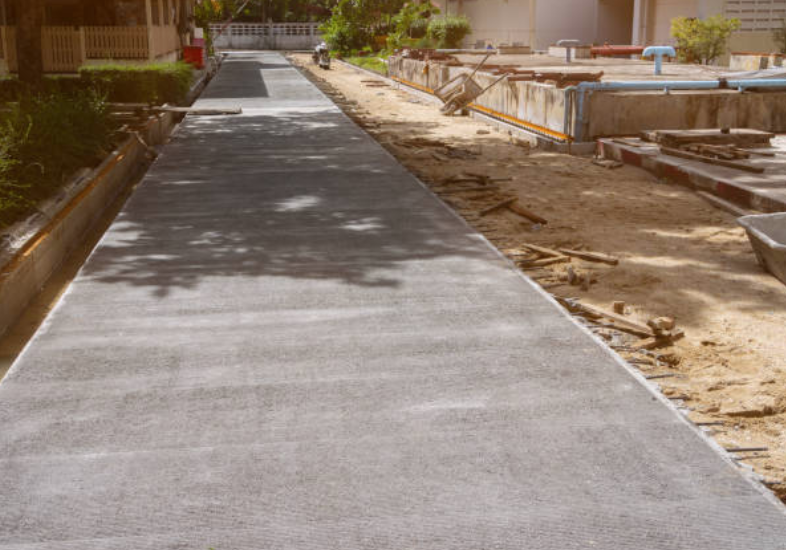
The three jobs aren’t priced the same. A brand-new pour on a bare lot is the cleanest of the three. A replacement costs more because it adds demolition and haul-off before the new slab goes down. A driveway repair, on the other hand, is usually the most affordable path when the slab is mostly sound, and you’re dealing with surface cracks or wear rather than a failed base. You can see all three side by side on our concrete driveway services overview and pick the one that actually fits your situation.
Concrete vs. Asphalt and Pavers Over Time
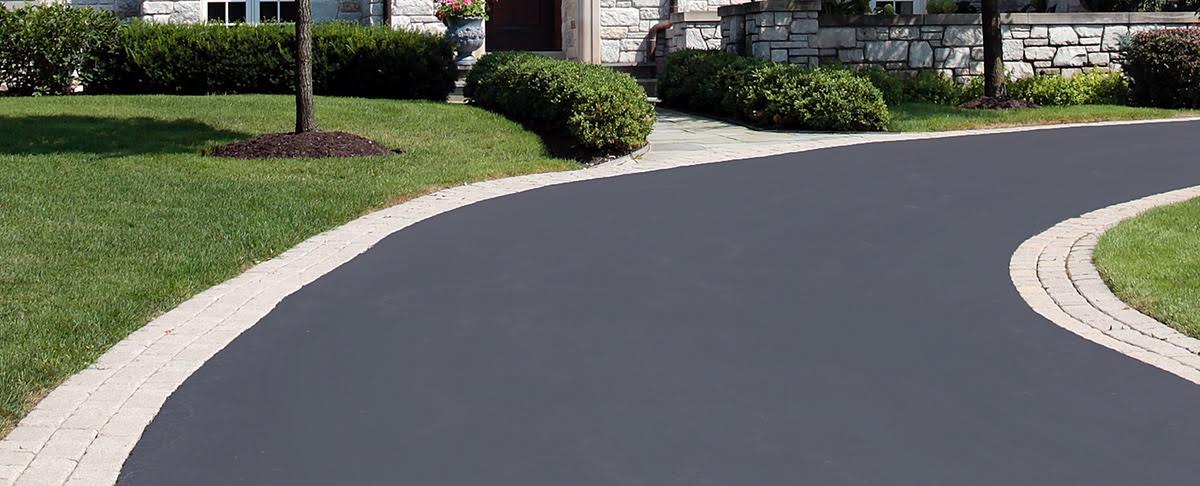
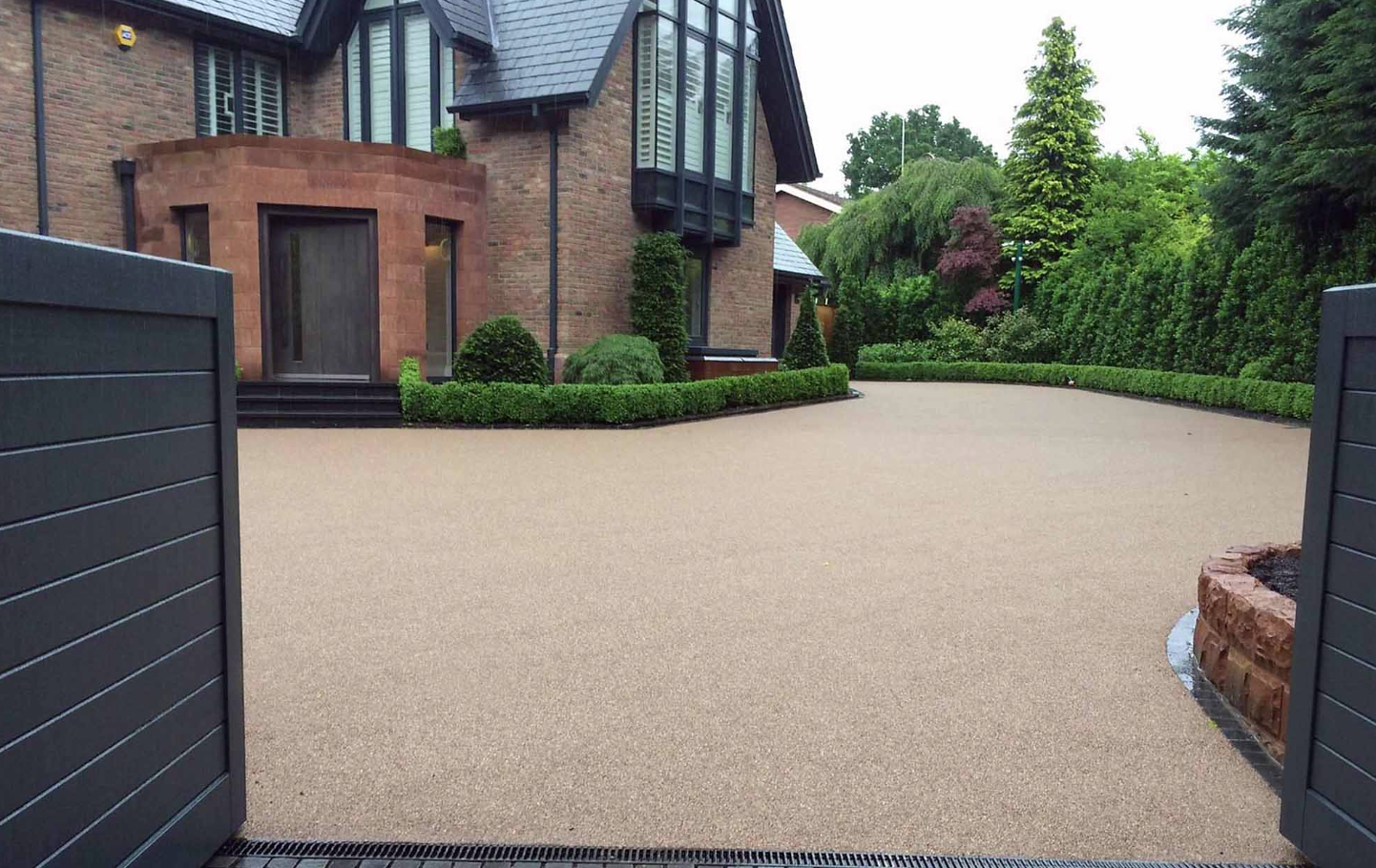
Upfront price is only half the story. Concrete costs more than asphalt to install, but it lasts about 25 to 30 years with little upkeep, while asphalt softens in Austin’s heat and needs resealing every few years. Pavers look great, but cost more than poured concrete. Over a couple of decades, concrete usually wins on total cost. We break down the trade-off between concrete and asphalt driveways, and we cover what’s behind the lifespan in how long concrete driveways.
Permits and Other Add-Ons
A few costs sit outside the base price, and it’s better to know them now than at signing. Many Austin and Williamson County jobs need a permit, and the fee varies by city and scope; we coordinate it with our permit partners so you’re not chasing paperwork. Budget for old-driveway removal if you’re replacing, plus any drainage or grading your lot needs. We put every one of these line items in your written quote, so the total you see is the total you pay.
Is a Concrete Driveway Worth the Cost?
For most Austin homes, yes. A concrete driveway adds curb appeal and tends to return a solid share of its cost at resale, and its long life usually beats a cheaper surface you’d repave sooner. We make the full case: Is a concrete driveway worth it? We cover the day-to-day benefits.
How We Price Your Driveway
Every lot is different, so we don’t quote off a chart. We come out, measure, check your soil and drainage, talk through finishes, and hand you a clear, no-obligation price in writing before any work starts. There are no hidden fees and no charge for the visit, so the quote is a real plan you can act on or compare against other bids.
You can see recent work on our projects page and read more about our team.
Want to compare local pricing and conditions first? Browse concrete driveways across Austin when you’re ready for a number. Call (512) 215-3767 for a free, no-obligation on-site estimate.
Frequently Asked Questions
There's no flat rate for a concrete driveway in Austin, because the job in front of us sets the price. The size of the slab, the finish you choose, how much site prep your lot needs, and access for the crew all move the number. A standard slab is the budget baseline, while thicker reinforced slabs and full replacements cost more. We put a firm figure in writing after a free on-site visit.
Yes. A standard four-inch residential slab costs less than a six-inch one built for heavy trucks or an RV, and heavier rebar for clay soil adds to the total as well. The extra strength is worth it where the use or the soil calls for it, since an underbuilt slab fails early and costs more in the long run. We recommend the thickness and reinforcement your driveway actually needs, and price it clearly.
Replacement costs more than a fresh install, because it adds demolition and haul-off before the new pour. The size of the slab, the condition of the old base, and the finish you choose all factor in. We'll give you an exact figure once we've seen the existing driveway, and we'll separate the removal from the new pour so the quote is easy to read.
It can. Expansive clay swells and shrinks with the seasons, so many lots need extra grading, a deeper gravel base, or drainage work to keep the slab from cracking early. On problem soil, we may also recommend rebar instead of wire mesh. Any soil-driven prep shows up in your written quote up front, never as a surprise after the pour.
Permit fees are usually separate, and the amount varies by city and the scope of the work. When a permit is required, we coordinate with our permit partners and include the fee in your written quote so it's accounted for. We'll confirm exactly what Austin or Williamson County needs before we start, so nothing catches you off guard.
Upfront, asphalt costs less. Over the long run, concrete usually wins. A concrete driveway lasts about 25 to 30 years with little upkeep, while asphalt softens in Austin's heat, needs resealing every few years, and gives out sooner. Factor in those repairs and reseals, and the cheaper surface often costs more across its life than a concrete driveway does.
The only way to get a real number is an on-site look. We measure the area, check your soil and drainage, talk through finishes, and provide a clear, no-obligation written quote before any work begins. There's no charge for the visit and no pressure, so you can weigh it against other bids and decide on your own timeline.