Most concrete driveway problems in Austin trace back to two things: the clay soil underneath and the heat overhead. Cracking, sinking, staining, and pooling are the usual suspects, and most are preventable with the right base, drainage, and upkeep.
A concrete driveway is built to last decades, but Austin’s clay soil, heat, and sudden storms put real stress on it. When problems show up, most trace back to the ground underneath or the way the slab was built and sealed, and most are fixable. Here are the issues we see most often and what actually solves them. If yours needs a look, we’ll give you a free quote.
Cracking from Clay Soil
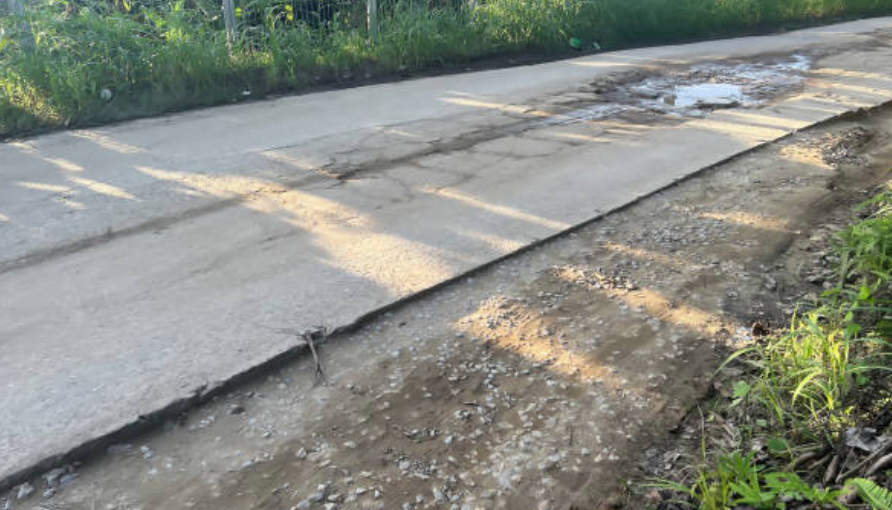
The most common problem by far is cracking, and the culprit is usually Austin’s expansive clay. It swells when wet and shrinks when dry, and that movement pulls at the slab until it cracks. Hairline cracks are mostly cosmetic, but wider ones let water reach the base. The fix is prevention: a compacted base, steel reinforcement, and control joints placed to absorb movement, the foundation of a solid concrete driveway installation. For cracks that have already formed, a timely driveway repair keeps them from spreading. You don’t need to panic over a hairline crack, but you shouldn’t ignore one that’s widening either.
Sinking and Settling
When a section of the driveway drops below the rest, the base beneath it has eroded or was never properly compacted. Water finds the weak spot, washes out the fill, and the slab settles. Minor settling can sometimes be lifted and re-supported, but a badly sunken or hollow slab usually calls for a full replacement, with the base rebuilt the second time properly.
Surface Wear, Scaling, and Spalling
Texas heat and heavy vehicles wear the top of a slab over time, and you may see flaking or pitting, called scaling or spalling. Harsh de-icing salts in the rare freeze make it worse. A good mix, the right thickness, and a maintenance sealer go a long way here, which is part of choosing the best type of concrete for driveways. Resurfacing can restore a worn-but-structurally-sound slab. If it’s only the top that’s worn and the slab’s still solid, you don’t need a full redo.
Staining
Concrete is porous, so oil, rust, and decaying leaves can leave marks that set in if they’re left too long. The fix is mostly a matter of habit: rinse spills promptly, clean stains before they soak in, and reseal every few years to make the surface easier to keep clean. Most stains lift with the right cleaner when you catch them early.
Pooling and Drainage Issues
If water sits on your driveway or runs toward the house, the slope or grading is off. Standing water erodes the base, feeds cracks, and speeds wear. The answer is proper grading, usually at around a 2% slope, plus trench drains or channels where the lot needs them. Good drainage is one of the biggest factors in a driveway reaching its full lifespan, a point we cover in the benefits of a concrete driveway.
Repair or Replace?
The honest answer depends on the base. If the slab is mostly sound and the issue is surface cracks, stains, or a single settled section, a repair is usually enough. If cracking is widespread, the base has failed, or large areas are sinking, replacement is the better use of funds because it fixes the root cause. If you’re not sure which camp you’re in, that’s exactly what an inspection is for. Lifespan matters here, too, which we cover in how long concrete driveways last, and you can see both options on our concrete driveway services overview.
Preventing Problems from the Start
Almost every problem on this list comes back to the installation and basic upkeep. A driveway poured on a compacted base, reinforced for the clay, sloped for drainage, and sealed every few years simply has fewer issues over its life. That’s the approach we take on every job across Austin. Prevention is far cheaper than repair, and far cheaper than a redo. It’s the difference between maintaining a driveway and rebuilding one.
When to Call a Pro
Small cosmetic cracks and surface stains are fine to watch and maintain yourself. Widening cracks, sinking sections, pooling water, or flaking that exposes aggregate are signs to have it looked at before the base is affected. We’ll come out, find the real cause, and give you a straight recommendation and a no-obligation quote. Learn more about our team, or call (512) 215-3767 when you want eyes on it.
Frequently Asked Questions
The most common concrete driveway problems in Austin are cracking from the expansive clay soil, sinking or settling where the base has eroded, surface scaling or spalling from heat and wear, staining on the porous surface, and water pooling from poor drainage. Almost all of them trace back to the base, the build, or upkeep, and almost all are preventable with the right installation and sealing.
Usually, the clay soil is underneath. Austin's expansive clay swells when wet and shrinks when dry, and that seasonal movement pulls at the slab until it cracks. Without a compacted base, steel reinforcement, and properly placed control joints, the slab has nothing to absorb that movement. Sealing cracks early keeps water out of the base and stops them from spreading.
It depends on the base. If the slab is mostly sound and you're dealing with surface cracks or a single settled area, a repair is usually enough. If cracking is widespread, the base has failed, or large sections are sinking, a full replacement is the better fix because it addresses the cause rather than the symptom.
Catch them early. Rinse oil, rust, and leaf stains before they soak into the porous surface, and use a cleaner suited to the stain. Resealing every few years makes the surface less absorbent and far easier to keep clean. Most fresh stains lift with the right cleaner; those left to set for months are harder to remove.
Pooling means the slope or grading isn't moving water off the surface. A driveway should be graded to shed water, usually at a 2% slope, and some lots need trench drains or channels. Standing water erodes the base, feeds cracks, and accelerates wear, so it's worth correcting rather than living with it.
Start with a good install: a compacted, graded base, steel reinforcement for the clay, control joints, and proper drainage. Then keep up the easy maintenance, resealing every few years, cleaning stains promptly, and addressing small cracks early. A driveway built and maintained that way simply has fewer problems over its life.
Sometimes. Minor settling can occasionally be lifted and re-supported by stabilizing the base beneath it. But a badly sunken, hollow, or widely cracked slab usually needs replacing, with the base rebuilt and compacted correctly so it doesn't settle again. We'll tell you which path makes sense after we see what's under it.