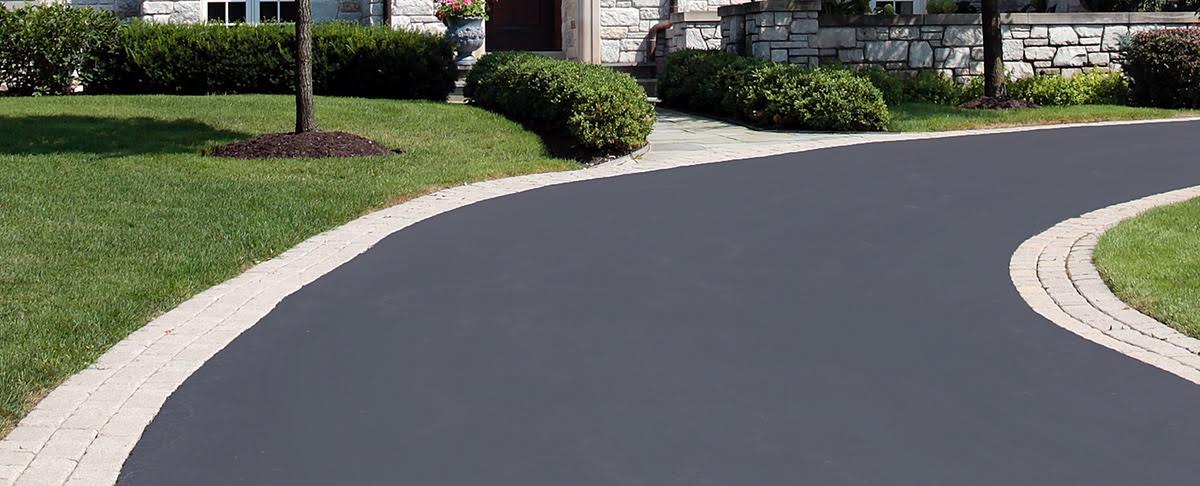
Concrete and pavers both make solid driveways, but they cost different amounts, age differently, and require different types of repair. In Austin, poured concrete usually wins on price and upkeep, while pavers win on looks and easy spot-repairs. Here’s how the two compare so you can choose with confidence.
Concrete and pavers are the two upgrade options most Austin homeowners weigh once they’ve ruled out asphalt and gravel. Both make a handsome, durable driveway, but they cost different amounts, age differently, and require completely different ways. The right pick depends on what you value most: a lower price and less upkeep, or a high-end look and easy spot-repairs. Here’s an honest side-by-side so you can decide. If you want a real number for your driveway, we’ll start your quote.
The Short Answer for Austin
For most Austin homes, poured concrete is the better all-around value. It costs less to install, requires less maintenance, and withstands heat and clay soil with the right build. Pavers earn their place when the look is the priority, and the budget allows, because nothing quite matches the texture and pattern of a well-laid paver driveway. Neither is a wrong choice; they just serve different priorities, and we’ll lay out where each one pulls ahead so the decision is easy.
Upfront and Lifetime Cost
Concrete wins on cost, and it isn’t especially close. A poured slab requires far less labor than setting hundreds of individual pavers by hand, so the upfront cost is lower, and long-term maintenance stays low because a sealed slab needs little attention. Pavers carry a higher installation cost because they’re labor-intensive, and they require periodic joint resanding and weed control on top of that. We break down what shapes the price of concrete in a driveway budget basics, and the same size, prep, and access factors apply to pavers, just at a higher baseline.
Installation and Time
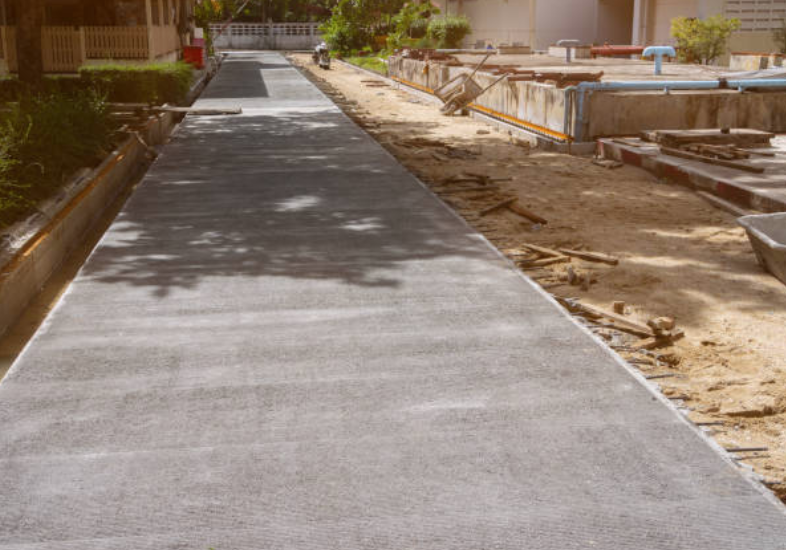
The two go in very differently. A a poured concrete installation is poured in a single day once the base and forms are ready, then left to cure before you drive on it. Pavers take longer on site, since each one is placed on a prepared sand-and-gravel base and locked in with edge restraints and joint sand. That hand-laid process is part of why pavers cost more, though it also means there’s no large slab to cure, so a paver driveway can be used a little sooner after the work wraps up.
Durability in Austin’s Clay and Heat
Both can last decades here, but they handle our expansive clay differently. A reinforced concrete slab spans the ground as one piece, riding out soil movement when it’s built on a compacted base with steel and proper joints, which is the heart of choosing the best type of concrete for driveways. Pavers flex with the ground, so they rarely crack, but individual units can settle or heave and need resetting. Both shrug off the heat far better than asphalt, as we cover in the benefits of a concrete driveway.
Maintenance and Repairs
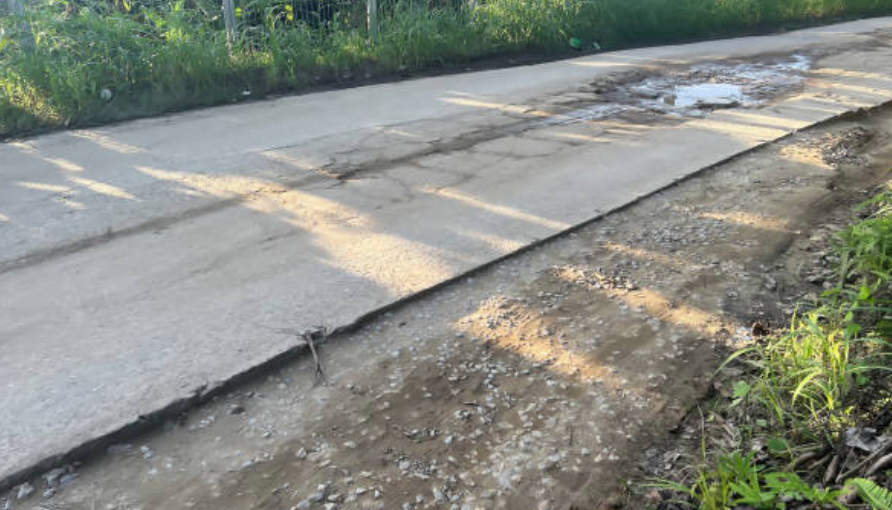
This is where pavers have a real edge. When one paver stains or cracks, you lift it and drop in a replacement, and the fix is invisible. Concrete repairs are more involved, since a crack or stain affects a continuous surface, though a good slab rarely needs them. On the other hand, pavers require more routine upkeep: re-sanding joints, pulling the weeds that sprout between units, and occasionally resetting where the base shifts. Concrete just wants an occasional clean and a reseal, and that’s about it. We cover the issues to watch for in common concrete driveway problems and solutions.
Looks and Customization
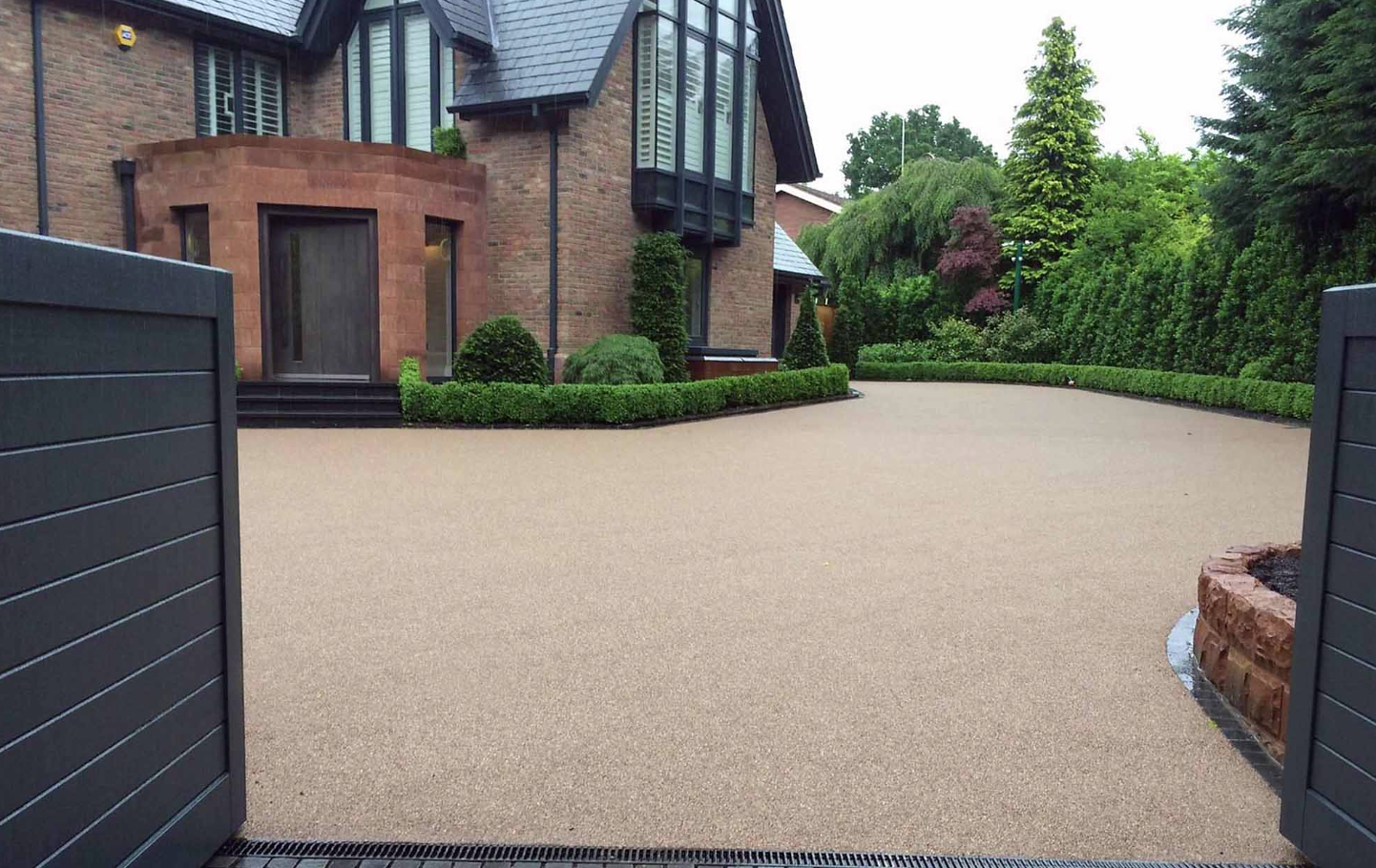
Pavers are the style leader here, and it isn’t really close. They come in countless shapes, colors, and patterns, and the seams give a rich, high-end texture that suits certain homes beautifully. Concrete takes a cleaner, simpler approach: a smooth, light-gray surface that looks crisp and uniform and pairs with nearly any home. It won’t mimic stone or brick the way pavers can, so if the driveway is meant to be a design centerpiece, pavers have the edge; if you want a clean, understated, low-fuss surface, concrete delivers. You can see our work on our driveways we’ve poured.
Which Lasts Longer
Both surfaces can last for decades when they’re installed well. A concrete driveway lasts about 25 to 30 years or more, which we cover in our article on how long concrete driveways last, and quality pavers can match or exceed that, with the bonus that worn units are swapped individually rather than redoing the whole surface. The deciding factor for both is the base underneath: skimp on the prep, and either one settles and fails earlier than it should.
When Pavers Make Sense
Pavers are worth the premium when the driveway is a design centerpiece, when you want a specific old-world or custom look, or when you value the ability to repair individual units without affecting the rest. They also handle ground movement gracefully, which is handy on a lot that’s prone to shifting. If those priorities outweigh the higher cost and the added upkeep, pavers are a fine choice for an Austin home, and we’d tell you so.
Our Take for Austin Homes
For most homeowners, concrete offers a better balance of cost, durability, and low maintenance, especially compared to asphalt, which we compare in our concrete versus asphalt driveways article. Pavers are the pick when looks lead the decision. We’ll talk through your goals, lot, and budget, and give you a straight recommendation, and you can see what we build driveways all over Austin.
If you’re replacing a worn surface, read about our a full driveway rebuild service.
You can see everything we do on our our full services overview, or call (512) 215-3767 for a free, no-obligation estimate.
Frequently Asked Questions
For most Austin homes, concrete is the better all-around value: it costs less to install, needs less upkeep, and handles the heat and clay soil with a proper build. Pavers cost more and require more maintenance, but they offer a high-end look and let you replace individual units easily. In short, concrete wins on price and low maintenance, while pavers win on style and easy spot-repairs.
Yes, usually by a noticeable margin. Pavers are labor-intensive to install, since each unit is set by hand on a prepared base, which raises the upfront cost compared to a poured slab. They also carry ongoing costs like joint re-sanding and weed control. Concrete's lower installation price and lighter upkeep make it the more budget-friendly choice for most driveways in the area.
Pavers rarely crack because they flex with ground movement rather than spanning it as a single rigid piece. Individual units can settle or heave over time, but those are reset rather than repaired. Concrete resists cracking when it's reinforced and poured on a solid base, though a continuous slab is more affected when a crack does appear, which is why the base and reinforcement matter so much.
Pavers, by a clear margin. A stained or damaged paver is lifted out and replaced with a matching one, making the repair essentially invisible. Fixing concrete means addressing a continuous surface, so repairs are more involved, though a well-built slab rarely needs them. Easy, piecemeal spot-repairs are one of the main reasons homeowners are drawn to pavers in the first place.
Both the last decades when they're installed on a proper base. A concrete driveway typically lasts 25 to 30 years or more, and quality pavers can match or exceed that lifespan, with worn units swapped individually rather than redoing the whole surface. The base prep is the deciding factor for both: cut corners there, and either surface settles and fails earlier than it should.
Generally yes. Pavers need periodic joint re-sanding, weed control between units, and occasional resetting where the ground shifts. Concrete asks for much less, mainly an occasional clean and a reseal every few years. The trade-off is that paver upkeep is easy and piecemeal, while concrete's is rare but covers the whole surface at once when it's time to reseal.
For a driveway that sees heavy daily use, concrete has practical advantages: it's a single continuous surface with no joints to weed or re-sand, it withstands vehicle traffic without individual units shifting, and it costs less to install and maintain. Pavers are durable, too, and easier to spot-repair, but the ongoing joint upkeep is more hands-on. For a low-maintenance, heavily used driveway, many homeowners lean toward concrete.
Whichever way you lean, locally owned Atlas quotes the concrete side free.