A damaged concrete driveway doesn’t always need to be torn out. Sometimes a targeted repair buys you years; other times patching a failing slab just delays the inevitable and wastes money. Knowing which situation you’re in is the whole game, so here’s how to tell whether to repair or replace a concrete driveway.
When a driveway starts showing its age, the first question is whether to fix it or start over. The honest answer is that it depends on what’s actually wrong, how widespread it is, and what’s happening underneath the surface. A few cracks or a stained section usually requires a repair, while a slab that’s heaving, sinking, or cracked end to end usually requires a replacement. This guide explains how to tell the difference so you spend money where it actually helps. If you’d like us to take a look, you can request your assessment.
The Short Answer: Repair What You Can, Replace What You Must
As a rule, repair makes sense when the damage is limited, and the slab underneath is still sound, and replacement makes sense when the problems are widespread, or the base has failed. A driveway is only as good as what’s beneath it, so the deciding factor usually isn’t the crack you can see; it’s whether the concrete and its base are still structurally healthy. Surface issues are fixable, but foundational ones rarely are, at least not for long.
When a Repair Makes Sense
Repair is the right call when the damage is cosmetic or contained. Narrow surface cracks, a bit of flaking or spalling, a single cracked section, or stains and pitting on an otherwise solid slab are all good candidates. If the driveway sits flat, drains properly, and the rest of the surface is in good shape, fixing the problem area is faster and far cheaper than a full tear-out. Many of the issues we walk through in common concrete driveway problems and solutions fall squarely into repair territory and never need to become replacements.
When Replacement Is the Better Call
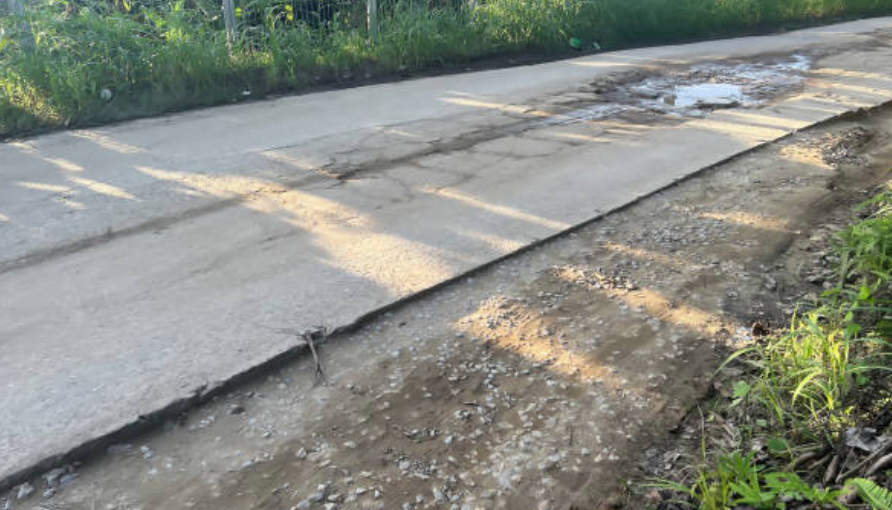
Replacement becomes the smarter choice when the damage is structural or widespread. Wide cracks across multiple sections, slabs that have heaved up or sunk, a surface crumbling in several places, or a base that’s clearly shifted are all signs the driveway has reached the end of its life. At that point, repairs turn into a losing game of chasing new cracks every year. A full driveway replacement resets the clock with a properly built base and reinforcement, which is the only real fix once the structure is gone.
It Comes Down to the Base
The single biggest factor in this decision is what’s happening below the concrete. A slab can look rough on top but sit on a solid, well-compacted base, in which case surface repairs hold up well. But if the base has eroded, settled, or was never built right, no amount of surface patching lasts, because the ground keeps moving and the new repair cracks right along with the old concrete. This is why build quality matters so much in the first place, as we cover in choosing the best type of concrete for driveways.
Reading the Cracks
Not all cracks mean the same thing. Hairline cracks are normal as concrete cures and settles, and they’re almost always a simple repair or even just cosmetic. Cracks wider than about a quarter inch, cracks with uneven heights on either side, and cracks that keep coming back after patching are the ones that point to a deeper problem. The pattern matters too: a single crack is routine, while a web of them across the whole slab usually means the concrete or its base is failing.
Settling, Heaving, and Drainage
When a driveway is no longer level, the cause is almost always underneath it. Sections that have sunk, corners that have lifted, or slabs that rock slightly underfoot point to a base and soil problem rather than a surface one, and those are hard to fix with a patch. Poor drainage is often the root cause, as water beneath the slab loosens the soil and undermines the concrete. We get into how this works in driveway drainage and grading, and it’s a major reason an uneven driveway usually leans toward replacement.
The Age and Repair Math
Age belongs in the decision, too. A concrete driveway is built to last 25 to 30 years, as we explain in how long concrete driveways last,” so a slab well within that window, with one problem area, is worth repairing. One that’s near or past its third or fourth repair is usually telling you it’s time. The simplest test is the trend: if you’re fixing the same driveway over and over, the repairs have quietly become a slow, expensive replacement on the installment plan.
What a Repair Involves
A repair targets the problem without disturbing the rest of the driveway. Depending on the issue, that can mean filling and sealing cracks, patching a spalled area, resurfacing a worn section, or removing and re-pouring a single damaged slab while leaving the sound concrete in place. It’s quicker, less disruptive, and easier on the budget than starting over. Our the repair route service handles these targeted fixes, and we’ll always tell you honestly when a repair is the right move rather than pushing a replacement.
What Replacement Involves
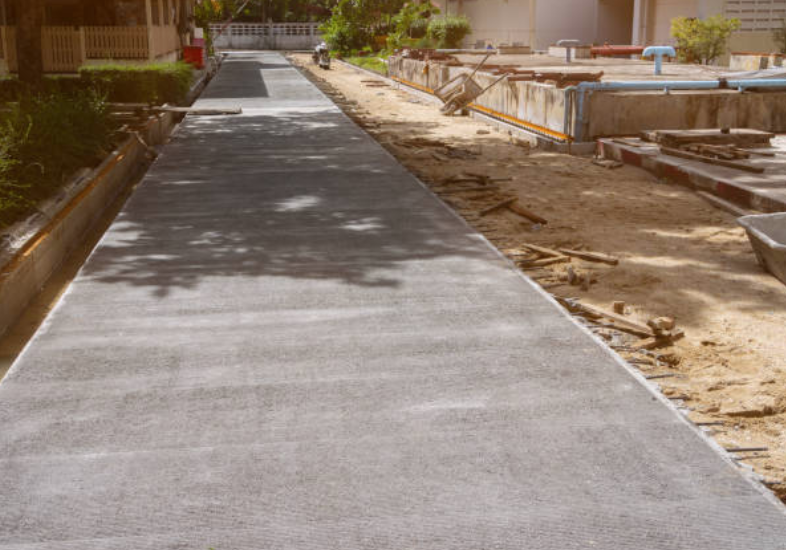
Replacement means removing the old concrete, rebuilding the base, and pouring a new, reinforced slab that’s properly graded to drain. It’s a bigger project, but it’s the one that lasts, because it fixes the foundation problems a repair can’t reach. The process mirrors starting over with a new install, with the demolition and haul-off of the old slab added at the front. When the structure is gone, this is the only path that gives you another two or three decades of service rather than another year or two.
How We Help You Decide
We’d rather give you a straight assessment than a sales pitch. When we look at a driveway, we check the spread and width of the cracks, whether the slab is level, how it drains, and the condition of the base, then tell you whether a repair will genuinely hold or whether replacement is the honest answer. Sometimes the cheaper repair is the right call, and we’ll say so. You can see the work we do serving Austin.
See finished projects on our the project showcase or browse our full every driveway option, and call (512) 215-3767 for a free, no-obligation estimate.
There’s also the resurfacing middle path: a bonded overlay on a structurally sound slab.
Frequently Asked Questions
The choice to repair or replace a concrete driveway depends on how extensive the damage is and whether the base is still sound. Limited cosmetic problems on a stable slab, such as narrow cracks or a stained section, are repairable. Widespread cracking, heaving, or sinking, or a failed base point requires replacement. If you find yourself repairing the same driveway year after year, that trend usually tells you it's time to replace it.
A driveway is usually past repair when the damage is structural rather than surface-level. Wide cracks across several sections, slabs that have lifted or sunk, a crumbling surface, or a base that's clearly shifted all mean patching won't hold for long. Once the concrete or the ground beneath it is failing, repairs just chase new cracks, and a full replacement is the more sensible choice.
No. Hairline cracks are normal as concrete cures and settles, and they're almost always cosmetic or a simple repair. Sealing them keeps water out so they don't widen over time. Replacement only enters the picture when cracks are wide, uneven in height, spread across the whole slab, or keep returning after patching, which signals a deeper base or structural problem rather than ordinary surface cracking.
Often, yes. If the rest of the slab is sound and the damage is contained to one area, removing and re-pouring a single section is a common repair that leaves the good concrete in place. It works best when the base under the rest of the driveway is still solid. If several sections are failing or the base has shifted, replacing the whole driveway is usually the better value.
Not at all. Most cracked driveways are repairable, especially when the cracks are narrow, limited to one area, and the slab still sits level and drains well. Full replacement is reserved for slabs with widespread or structural damage, or a base that's failed. The width, spread, and whether the driveway is still level matter far more than the simple presence of a crack.
A repair almost always costs less upfront, which is why it's the right call for contained, surface-level damage on a sound slab. The math changes when repairs keep recurring: paying for the same fix every year or two can quietly add up to more than a replacement would have cost, even if that replacement would have lasted decades. For a true comparison of your situation, the cost of a new driveway is covered in our cost guide.