The best type of concrete for an Austin driveway is a reinforced, properly mixed slab on a compacted base, finished and sealed for the heat. Reinforcement and base prep matter as much as the mix itself when you’re building on clay soil.
When homeowners ask what the best type of concrete for a driveway is, they expect an answer about the mix. The real answer is broader: in Austin, the best driveway is a reinforced slab on a properly prepared base, made with the right mix and sealed for the heat. The mix matters, but it’s one piece of a system. Here’s what actually makes a driveway last. If you want it built that way, we’ll line up a quote.
Start with the Base, Not the Mix
The strongest concrete in the world cracks if the ground under it moves. That’s why base prep comes first. The subgrade should be graded for drainage and compacted, and on Austin’s clay, a gravel base adds stability and helps water move. Skip this, and you’ll see settling and cracking no matter how good the concrete is, which is why a careful concrete driveway installation starts below the surface, not at the pour, which is where most people assume the real work begins.
Reinforced Concrete for Clay Soil
For Central Texas, reinforced concrete is the way to go. Steel mesh or rebar ties the slab together so it moves as one piece when the clay swells and shrinks, rather than pulling apart and cracking. Plain, unreinforced concrete can work on stable ground, but Austin rarely offers that. Reinforcement is a small part of the cost and a big part of the lifespan, a point we make in the benefits of a concrete driveway. It’s about the cheapest insurance you can buy against cracking caused by clay soil.
The Right Mix and Thickness
A driveway needs a higher-strength mix than, say, a garden path, so it can carry vehicle weight and resist surface wear in the heat. Just as important is thickness: four inches is the standard for cars, while six inches suits heavy trucks, RVs, or anything with steady weight on it, and it’s the standard for commercial concrete driveways. Pairing a solid mix with the right thickness is what keeps the surface from scaling or cracking under load over the years, and it’s a call we make based on how you’ll use the driveway.
Drainage and Slope
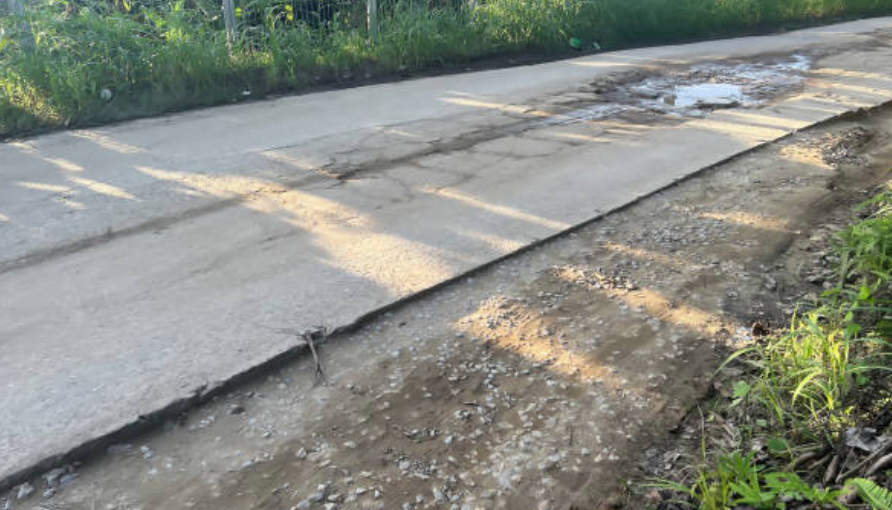
Water is concrete’s long-term enemy, so the best driveways are designed to shed it. A slope of around 2% carries rainwater off the surface and away from the house, and trench drains handle lots that need extra help. Without it, water pools, seeps into small cracks, and erodes the base, which we cover in our article on common concrete driveway problems and solutions. Good drainage is part of what makes a driveway reach its full lifespan, and it’s easy to overlook on a flat-looking lot, but water always finds the low spot.
A Clean, Durable Surface
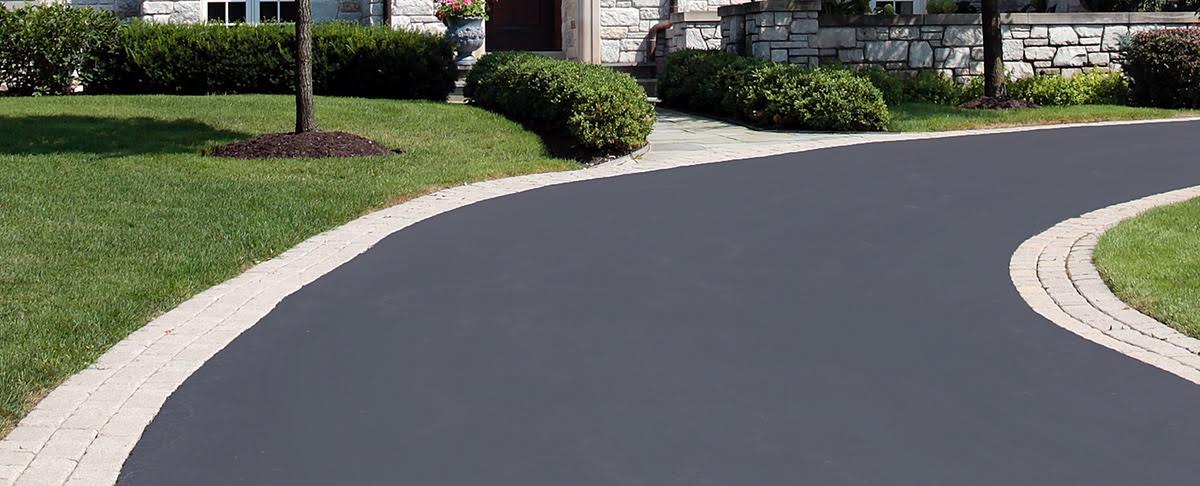
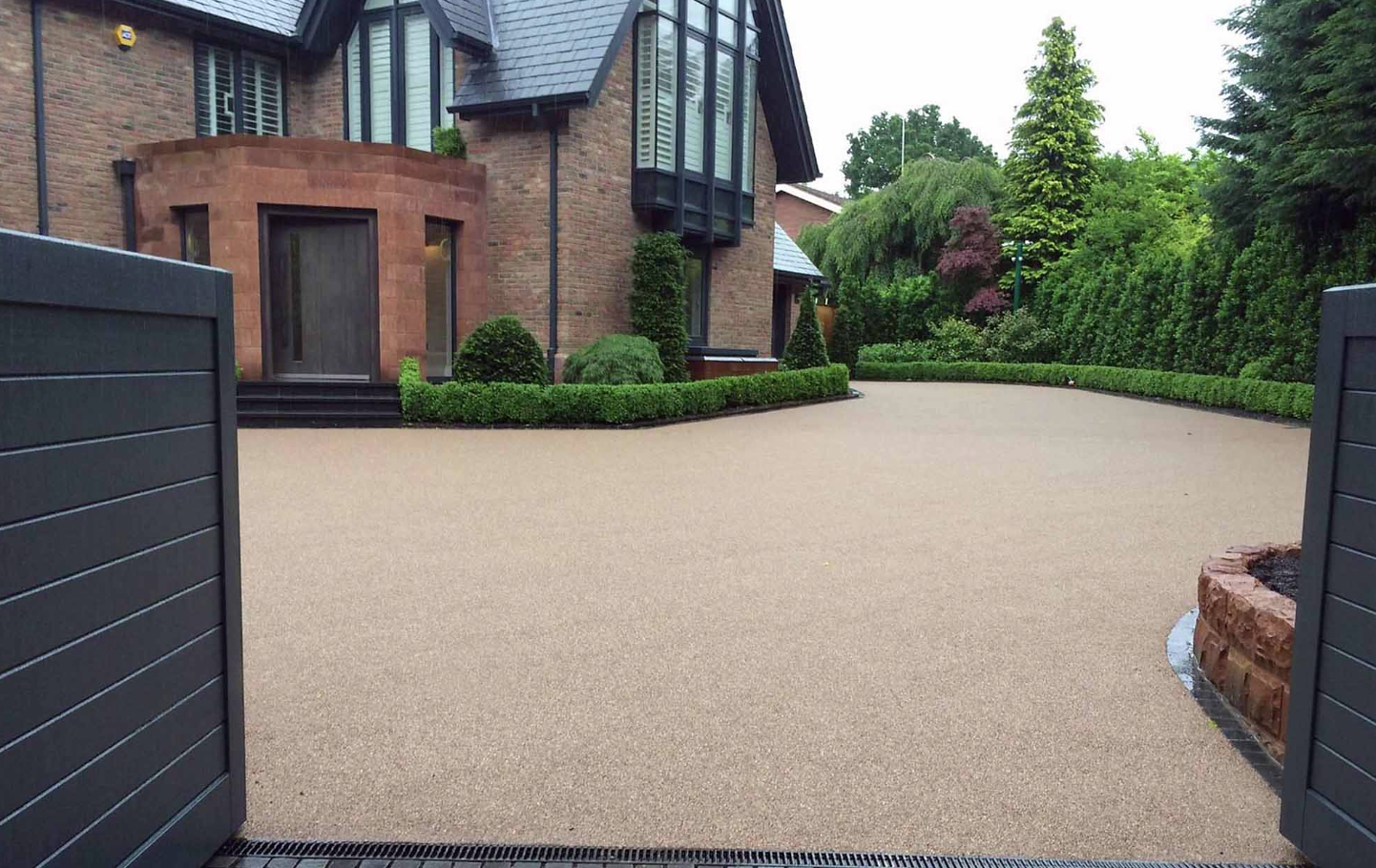
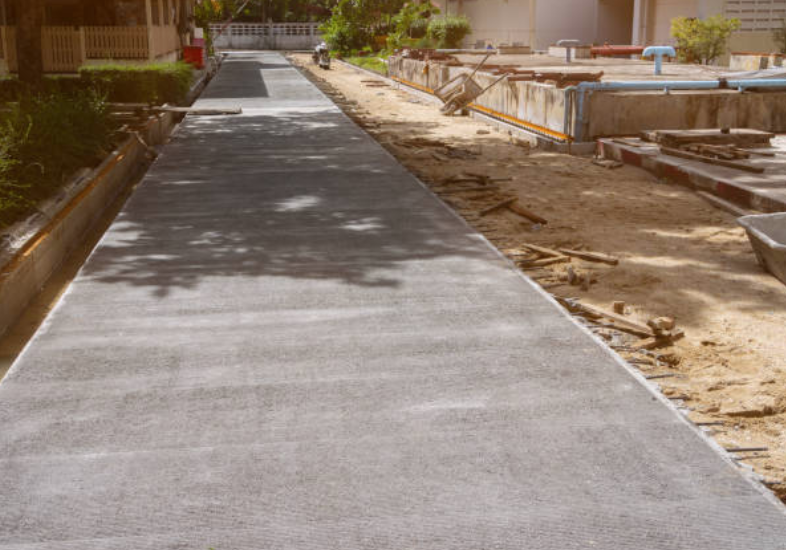
Once the structure is right, what you’re left with is the surface itself. A plain concrete driveway provides a clean, uniform, light-gray surface that looks crisp and withstands weather and daily traffic. It’s an understated look that suits nearly any home and doesn’t compete with the house behind it. The lasting quality comes from the build underneath, not from anything applied on top. You can see past work on our real project examples.
What This Means for Cost and Longevity
The best type of concrete isn’t the cheapest, but it’s the one that lasts. A reinforced, properly based, well-drained slab costs a bit more upfront and far less over its life, since it resists cracking and settling that would otherwise require early repairs. We break down what shapes the price of a concrete driveway in Austin and what drives the lifespan of concrete driveways.
Our Recommendation for Austin
If we had to sum it up, reinforced concrete on a compacted, well-drained base, at the right thickness, sealed every few years to protect the surface. None of it is exotic; it’s just the right materials put together in the right order. That combination handles Austin’s clay and heat and lasts decades, and it’s what we build on every job Austin properties.
Not sure what your lot needs? We’ll assess the soil, drainage, and layout, recommend the right build, and provide a no-obligation quote. Call (512) 215-3767 to get started.
Frequently Asked Questions
For an Austin driveway, the best type of concrete is a reinforced slab made with a high-strength mix, poured on a compacted, well-drained base, and sealed to withstand heat. The reinforcement and base matter as much as the mix, because they're what keep the clay soil from cracking the slab. The result is a clean, durable concrete surface built to withstand Austin's conditions.
In Central Texas, yes, in almost every case. The expansive clay soil moves with the seasons, and steel mesh or rebar ties the slab together so it shifts as a single unit rather than cracking apart. Plain concrete can work on very stable ground, but Austin rarely offers that, so reinforcement is a small cost that adds years of life.
Four inches is the standard for a residential driveway that carries cars and light trucks. Six inches is the right call for heavy trucks, RVs, or anything that parks a steady weight on the slab, and for commercial use. The correct thickness, paired with reinforcement, is what keeps the surface from cracking or scaling under load over time.
A higher-strength mix designed for driveway loads holds up best to Austin's heat and traffic, resisting surface wear and scaling. The exact mix is something a good contractor matches to your job and conditions. Just as important as the mix is properly curing the slab, since concrete that cures well in the heat ends up stronger and more durable.
More than almost anything. A driveway is only as stable as the ground beneath it, so a graded, compacted base, often with a gravel layer on clay soil, is what prevents settling and cracking. The best concrete poured on a poor base will still fail, whereas a sound base allows a good slab to reach its full lifespan.
Yes, more than most people expect for the effort. Sealing every few years protects the surface from UV, moisture, and stains, slows wear, and keeps water out of any small cracks before they spread. It's the single easiest thing you can do to extend a driveway's life, and it costs little next to the value it adds. A sealed driveway simply outlasts one that's left bare.
A two percent slope is the typical target, enough to carry rainwater off the surface and away from your home without being noticeable underfoot. Some lots need trench drains or channels on top of the slope. Good drainage protects the base and is one of the key factors that let a driveway reach its full lifespan.
Questions about a specific mix? The Atlas crew answers them on every quote visit.