Water is the main enemy of a concrete driveway, and drainage is what keeps it at bay. Get the slope and grading right, and the slab sheds water for decades. Get it wrong, and you invite pooling, cracks, and even foundation trouble. Here’s how good drainage works. Not sure which way your lot sheds water? Have us check your drainage during a free visit.
Of all the factors that determine how long a concrete driveway lasts, drainage is one of the most important yet most overlooked. A slab that sheds water cleanly can last 25 to 30 years, while one that lets water pool or run the wrong way invites cracks, settling, and even foundation problems. Good drainage isn’t an accident; it’s designed and built into the driveway from the grading stage. Here’s how it works and why it matters so much in Central Texas. If you’re planning a new driveway, we’ll get this right from the start, and you can request a free quote.
Why Drainage Decides a Driveway’s Lifespan
Concrete is strong, but standing water is patient. When water sits on a slab or collects beneath it, it penetrates the surface and the base, and over time, this leads to cracking, scaling, and uneven settlement. Most of the common concrete driveway problems we’re called to fix trace back to water that wasn’t sent where it should go. A driveway that drains properly stays dry, stable, and intact, which is why grading is treated as a core part of the build rather than a finishing detail.
What Grading Actually Means
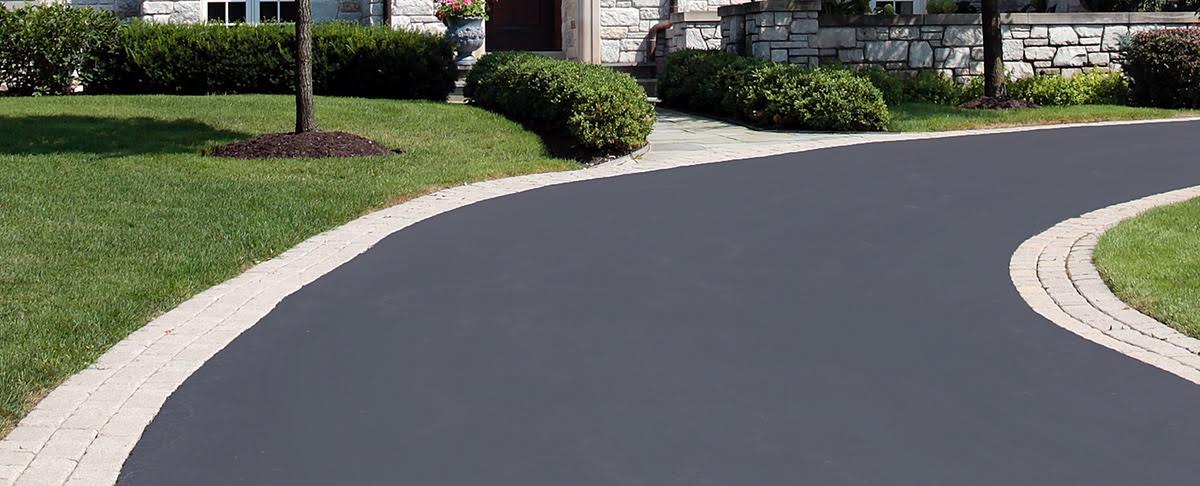
Grading is the shaping of the ground and the slab so that water flows in a planned direction instead of pooling. On a driveway, that means establishing a deliberate slope, usually away from the house and toward the street, a yard, or a drainage point. The standard target is roughly a two percent slope, about a quarter inch of fall per foot, which is enough to move water without being noticeable underfoot or to a vehicle. Getting that slope consistent across the whole surface is the part that takes experience, because a flat spot or a reverse pitch is where the trouble starts.
Sloping Away From the House
The cardinal rule of driveway drainage is to move water away from your foundation, never toward it. A driveway that pitches back toward the house funnels rain straight to the foundation, where it can cause soil movement and moisture problems that are expensive to fix. During a proper driveway installation, we set the forms and grade so the finished slab carries water out to the street or a planned outlet. On a lot that slopes toward the home, that can mean extra planning, but it’s not a step to skip or improvise.
The Base Underneath Matters Too
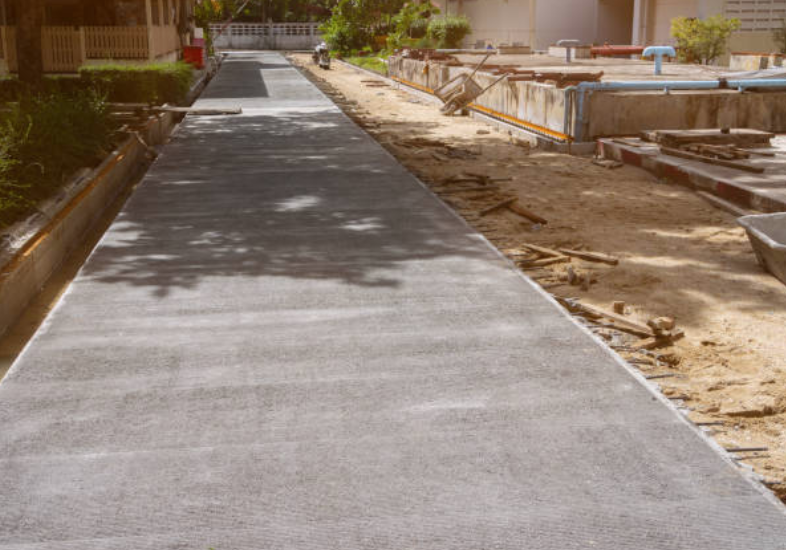
Surface slope handles the water you can see, but the base controls the water you can’t. A well-built driveway sits on a compacted granular base that drains and supports the slab evenly, so moisture doesn’t collect underneath and soften the ground. Skip that prep and water pools below the concrete, the base shifts, and the slab cracks or settles regardless of how good the surface slope is. The base is a big reason the build quality matters as much as the mix, which we cover in choosing the best type of concrete for driveways.
Austin’s Clay Soil and Heavy Rain
Central Texas makes drainage harder than it sounds. Our expansive clay swells when it’s wet and shrinks when it’s dry, so the ground under a driveway is always moving a little, and trapped water makes that movement worse. Add the sudden, heavy downpours the region is known for, and a driveway has to shed a lot of water fast without letting any linger. That combination is exactly why proper grading and a solid base are non-negotiable here, and it’s part of the broader benefits of a concrete driveway built right.
When a Simple Slope Isn’t Enough
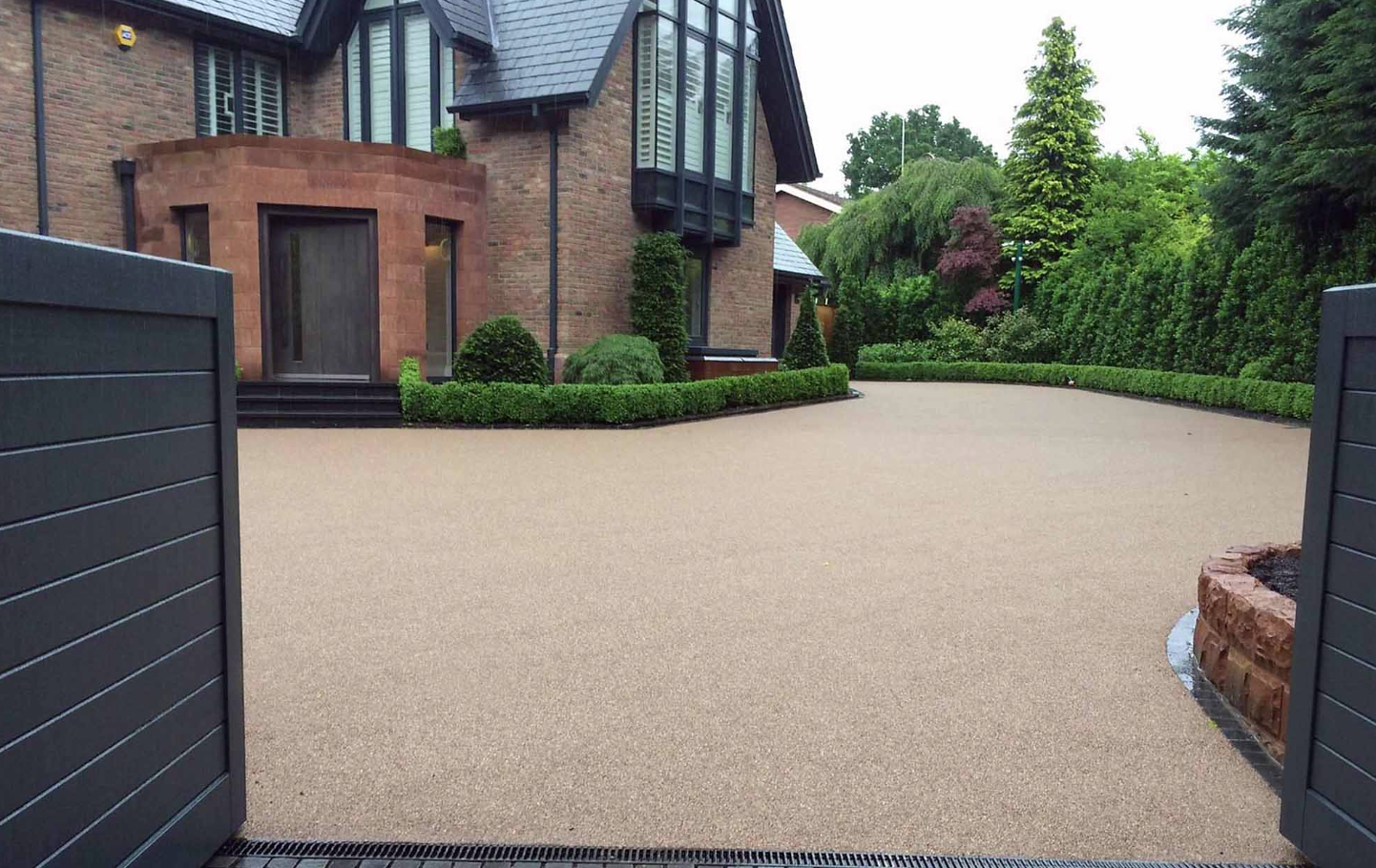
Most driveways drain fine with good grading alone, but some lots need more help. A driveway at the bottom of a slope, one that crosses a natural drainage path, or a very long approach may call for added features: a trench drain across the apron, a channel along one edge, or a culvert where the drive meets a ditch. The goal is always the same: to give water a clear, controlled path off the slab and away from the structure. We assess the lot before the pour, so any of these are built in from the start rather than retrofitted later.
Signs of a Drainage Problem
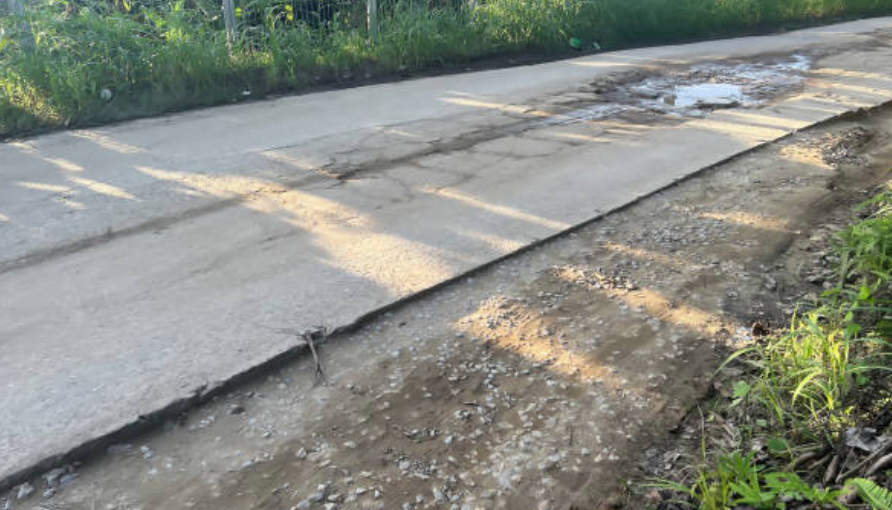
An existing driveway usually shows signs of failing drainage. Puddles that linger long after the rain stops, water stains or silt lines that show where it pools, moss or algae in damp spots, and cracks or settling concentrated in one area are all signals. Water running toward the garage or the house is the most urgent one to address. If you’re seeing these, a professional crack repair or regrading can correct the slope and protect both the slab and your foundation before the damage spreads.
Maintaining Good Drainage
Even a well-graded driveway needs the path kept clear. Over the years, landscaping, mulch, and soil buildup can creep up against the edge of the slab and block the runoff that the driveway was designed to shed. Clearing those obstructions and making sure downspouts and yard drains still carry water away keeps the system working as intended. It pairs naturally with the rest of driveway upkeep, which we walk through in how to seal and maintain a concrete driveway.
Our Take on Austin Driveways
Drainage isn’t the glamorous part of a driveway, but it’s the part that decides how long the slab lasts and whether your foundation stays dry. We treat grading as a first-class step, setting the slope, building the base, and adding drainage features where the lot needs them, so water is never left to find its own way. That’s a big reason our driveways reach the 25 to 30-year lifespan they’re built for on projects Austin yards and the surrounding area.
You can see finished work on our work samples or browse our full our capabilities, and call (512) 215-3767 for a free, no-obligation estimate.
Frequently Asked Questions
Concrete driveway drainage decides how long the slab lasts and whether your foundation stays dry. When water pools on or under a driveway, it seeps into the surface and base, causing cracking, scaling, and uneven settling over time. A driveway that sheds water cleanly stays stable and intact for decades. Most driveway failures we're called to fix trace back to water that wasn't properly directed away.
The standard target is about a two percent slope, roughly a quarter inch of fall per foot. That's enough to move water off the surface without being noticeable underfoot or to a vehicle. The slope should run away from the house toward the street, a yard, or a drainage point. Keeping that pitch consistent across the whole slab, with no flat spots or reverse pitch, is what makes drainage reliable.
Always away from your house, never toward it. A driveway that pitches back toward the home funnels rainwater to the foundation, where it causes the soil movement and moisture problems that are costly to repair. The water should flow out to the street or a planned outlet instead. On lots that naturally slope toward the house, achieving that takes extra grading and sometimes added drainage features.
Yes, it's one of the leading causes. Water that pools on the surface or collects under the slab softens the base, causing the ground to shift, which cracks and settles the concrete above it. Austin's expansive clay makes this worse, as trapped moisture causes the soil to swell unevenly. Proper grading and a compacted, draining base are what prevent it, which is why both are built in from the start.
Look for puddles that linger after the rain stops, silt lines or stains where water pools, moss or algae in damp areas, and cracks or settling concentrated in one spot. Water running toward the garage or house is the most urgent sign. If you notice these, regrading or repair can correct the slope and protect the slab and foundation before the damage spreads further.
Quite a bit. Expansive clay swells when wet and shrinks when dry, so the ground under a driveway is always moving slightly, and trapped water makes that movement worse. Given the region's sudden heavy downpours, a driveway here has to shed water quickly and keep moisture out of the base. That's why proper grading and a solid base matter even more in Central Texas than in milder climates.
Often, yes. Minor issues sometimes resolve by clearing landscaping or soil that's blocking runoff at the slab's edge. Larger problems may require regrading, a new surface slope, or additional features such as a trench drain or channel to redirect water. The right fix depends on what's causing the pooling, so we assess the driveway and the lot first, then recommend the most direct solution rather than the most expensive one.