Gravel is the cheapest way to lay a driveway, but it rarely stays cheap. Between ruts, washouts, and constant top-ups, a gravel drive asks for far more attention than poured concrete. Here’s how the two really compare for an Austin home.
Gravel and concrete sit at opposite ends of the driveway spectrum. Gravel costs the least to put down and suits a rural or oversized lot, while concrete costs more upfront and then largely takes care of itself for decades. The real question for most Austin homeowners isn’t which is cheaper on day one, but which costs less over the years you actually use it. Here’s an honest comparison, and if you’d like a real number for a concrete drive, we’ll book a site visit.
The Short Answer for Austin
For nearly any home driveway in the Austin area, poured concrete is the better long-term choice. It stays put, drains predictably, cleans up easily, and lasts decades with almost no attention. Gravel makes sense on long rural approaches, very large lots, or as a budget stopgap. Still, on a standard suburban driveway, it becomes a maintenance habit: raking ruts, refilling low spots, and fighting weeds and washout after every heavy storm. Neither is wrong, but they suit very different situations.
Upfront and Lifetime Cost
Gravel wins the upfront comparison easily, since it’s just a compacted base and loose stone with no forming, pouring, or curing. That low entry price is the whole appeal. The catch is the lifetime cost: gravel needs fresh material added every year or two, regrading when it ruts, and ongoing weed and washout control, and those small recurring costs stack up fast. Concrete costs more to install and then asks for very little, so over fifteen or twenty years, the gap narrows and often reverses. We break down what shapes a concrete driveway’s price in Austin.
Maintenance Is the Real Difference
This is where the two surfaces part ways most. A gravel driveway is never really finished: tires push the stone into ruts, rain carries it toward the street, and weeds find every gap. Keeping it tidy means raking, refilling, and spraying on a regular schedule. Concrete asks for almost nothing by comparison, an occasional rinse and a reseal every few years, and that’s the extent of it. If you’d rather not think about your driveway at all, that difference matters more than any other. We cover what to watch for on a slab in common concrete driveway problems and solutions.
Holding Up in Austin’s Clay and Heavy Rain
Central Texas throws expansive clay and sudden downpours at any driveway, and the two surfaces respond very differently. A reinforced concrete slab spans the ground as a single piece and sheds water onto a planned slope, which is central to choosing the best type of concrete for driveways. Gravel has no structure to hold a grade, so heavy rain reshapes it, carving channels and carrying stone downhill. After a wet Austin spring, a gravel drive often needs regrading, while a well-built slab looks unchanged. The broader case for concrete is in the benefits of a concrete driveway.
Drainage and Erosion
Gravel can drain well in theory, since water moves between the stones, but in practice, that same looseness is its weakness on any slope. Without a fixed surface, runoff carries material and leaves bare, rutted patches behind. Concrete is graded to send water exactly where you want it, away from the slab and the foundation, and it keeps that grade for its whole life. Getting the slope and base right is a big part of a proper concrete driveway installation, and it’s what keeps water from turning into a recurring headache.
Looks, Cleanliness, and Daily Use
Day-to-day, concrete is simply easier to live with. It gives a clean, even surface that’s comfortable to walk on and easy to clear, and it doesn’t track stone into the garage. Gravel has a casual charm that suits some properties, but loose stone scatters onto the lawn and street, collects debris, and is hard on bare feet and bike tires. For a busy household, concrete wins on convenience nearly every time. You can see what we build on our projects page.
Lifespan and Resale
A concrete driveway can last 25 to 30 years or more when built on a solid base, as we explain in “typical driveway problems.” Gravel has no comparable lifespan, since it’s a surface you continually replenish rather than one that lasts. That permanence shows up at resale too: buyers read a clean concrete drive as a finished, low-maintenance feature, while a gravel drive often reads as a future project. If you’re weighing the value of the home and not just the driveway, concrete is the stronger asset.
Comparing the Other Options
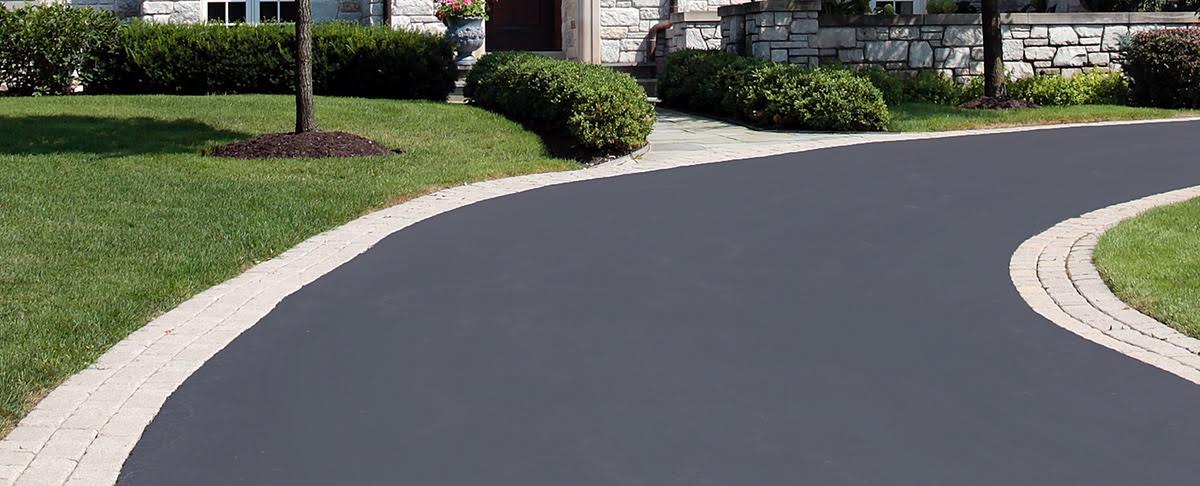
Gravel and concrete aren’t the only choices, and it helps to see the full field. Asphalt sits between the two in price and upkeep, though it softens in the Texas heat, which we cover in our concrete versus asphalt driveways article. Pavers sit at the premium end, trading a higher price and more upkeep for a high-end look compared to the pavers comparison. Compared with all of them, concrete tends to land in the sweet spot for cost, durability, and low maintenance for a typical Austin home.
When Gravel Makes Sense
Gravel earns its place in the right setting. On a long rural driveway or ranch approach, paving hundreds of feet in concrete is hard to justify, and gravel’s casual look fits the surroundings. It’s also a reasonable stopgap if you plan to build or pave later and just need something usable now. Outside of those cases, the recurring upkeep usually outweighs the savings.
Converting Gravel to Concrete
Plenty of our projects start as tired gravel drives. The good news is that a gravel area is often a workable starting point, since it’s already cleared and partly compacted, though we always rebuild the base to our standard before pouring. Switching to concrete ends the cycle of raking and refilling for good. If you’re ready to stop maintaining loose stone, our driveway replacement service handles the transition.
Our Take for Austin Homes
For a standard home driveway in the Austin area, concrete offers a better balance of cost, durability, and low maintenance, while gravel makes sense mainly on rural or oversized lots. We’ll look at your property, your drainage, and how you use the space, then give you a straight recommendation rather than a sales pitch. You can see the kind of work we do across Austin and learn more about our team.
You can explore everything we offer on our all driveway options overview, or call (512) 215-3767 for a free, no-obligation estimate.
Frequently Asked Questions
For most Austin homes, concrete is the better long-term value. Gravel costs less to install, but it needs constant upkeep: raking out ruts, refilling the stone, and fighting weeds and washouts after storms. Concrete costs more upfront, lasts for decades with almost no maintenance, drains predictably, and cleans up easily. Gravel suits rural or oversized lots, while concrete wins for a standard suburban driveway.
Upfront, yes, and by a wide margin, since gravel is just a compacted base and loose stone with no forming or pouring. Over time, the gap closes because gravel needs fresh material, regrading, and weed control, while concrete requires very little. Over fifteen or twenty years, gravel's recurring cost often exceeds that of a concrete slab.
Not especially well on any slope. Because gravel has no fixed structure, heavy Central Texas downpours carve channels through it and carry stone toward the street, leaving ruts and bare patches. A reinforced concrete slab is graded to shed water on a planned slope and keeps that grade for its whole life, so it looks the same after a wet spring that leaves a gravel drive needing real regrading.
Quite a bit compared with concrete. Gravel needs fresh stone added every year or two, regrading when tires push it into ruts, and ongoing weed and washout control, especially after storms. Concrete needs only an occasional rinse and a reseal every few years. If low maintenance is a priority, that difference is why most homeowners choose a poured slab.
Often, the gravel area makes a workable starting point, since it's already cleared and partly compacted, but we don't simply pour over loose stone. We assess the existing base, then rebuild and compact it before pouring, so the new slab sits on solid ground. Converting from gravel ends the cycle of raking and refilling and leaves a surface that lasts decades.
Concrete is the stronger asset at resale. Buyers read a clean concrete driveway as a finished, low-maintenance feature, while a gravel drive reads as a future project. Concrete also lasts decades and keeps its appearance. Overall, for the value of the home, a poured slab is the better investment.
Concrete, without much debate. It's one continuous, graded surface with no loose stone to rake, refill, or regrade, and no gaps for weeds to take hold. A gravel driveway, by contrast, asks for attention all year. For a homeowner who would rather not think about it at all, concrete is the clear low-maintenance choice.