For most Austin driveways, concrete is the better long-term choice. Asphalt costs less upfront but softens in the heat and needs frequent resealing, while concrete lasts about 25 to 30 years with far less upkeep. Here’s how the two compare across the things that matter.
Planning a new driveway in Austin usually starts with one question: concrete or asphalt? Both work, but they behave very differently in Central Texas heat, clay soil, and sudden downpours, and that changes which one pays off. Here’s an honest comparison across cost, lifespan, upkeep, looks, and durability so that you can pick the right surface for your home. If you’d rather talk it through, we’ll arrange a site visit.
The Short Answer for Austin
For most Austin homes, concrete is the better long-term choice. It costs more to install, but it lasts longer, requires less upkeep, and withstands the heat that wears asphalt down. Asphalt still has its place for tight budgets or very long rural drives, but in a typical suburban setting here, concrete usually returns more over the years you own it. We dig into that math. Is a concrete driveway worth it?
Upfront Cost vs. Lifetime Cost
Asphalt wins on day one. It’s cheaper to install and faster to lay down, which is why it’s tempting on a budget. Concrete costs more upfront, but the gap narrows over time: asphalt needs resealing every few years and tends to be repaved sooner, while a concrete slab lasts longer with little maintenance. Over a couple of decades, the cheaper surface often ends up costing more. Our guide to cost factors explained breaks down what shapes the price either way.
How Each Handles Austin’s Heat
This is where Central Texas tips the scale. Asphalt is petroleum-based, so it softens, ruts, and gets tacky in peak summer, and its dark surface soaks up heat that radiates back at your home. Concrete retains its shape and load-bearing strength during the hottest days, and its lighter color reflects sunlight rather than absorbing it. We cover the heat angle and more in the benefits of a concrete driveway.
Lifespan and Durability
A concrete driveway built right lasts about 25 to 30 years, often more. Asphalt typically gives you closer to 10-15 here, and heat shortens that further. Concrete also resists rutting, potholes, and erosion better, so it stays smoother for longer with fewer surprises. You can read more on what drives that longevity in how long concrete driveways last.
Maintenance
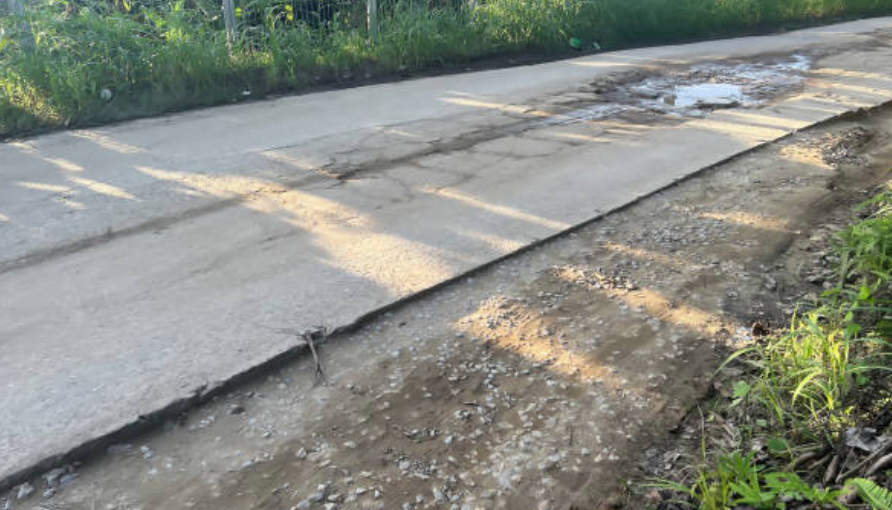
Asphalt is the higher-maintenance surface. It needs resealing every few years to stay intact, plus crack filling and patching as it ages. Concrete asks far less: an occasional clean and a reseal every few years is usually all it takes. When concrete needs attention, it’s typically a small fix rather than a full redo, as we cover in our guide to common concrete driveway problems and solutions.
Looks and Customization
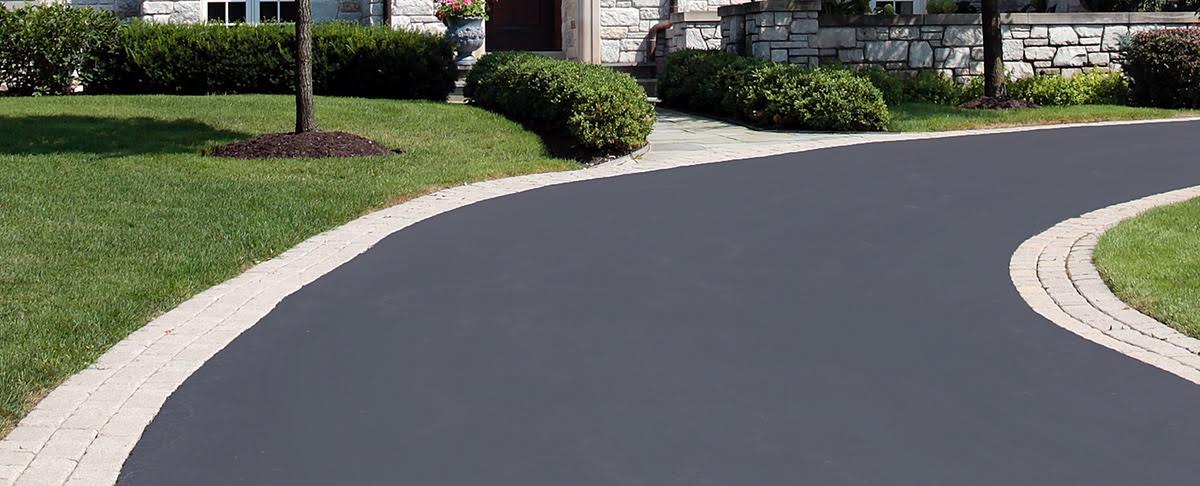
Asphalt comes in one look: flat black. Concrete reads cleaner and more finished, with a smooth, light-gray surface that brightens the front of a house and pairs with nearly any style of home. It’s a more polished, less utilitarian surface than asphalt, which is part of why concrete shows up in most newer Austin builds. You can see our work on our completed builds, and the mixes behind them in the best type of concrete for driveways.
Clay Soil and Drainage
Both surfaces have to deal with Austin’s expansive clay, which swells and shrinks with the seasons. The difference is how they cope: asphalt flexes and deforms, while concrete, when it’s poured on a compacted base with steel reinforcement and proper joints, rides out the movement and stays flat. Good drainage matters for either one. The base and reinforcement are the heart of a lasting pouring a concrete driveway.
When Asphalt Might Make Sense
To be fair, asphalt isn’t always the wrong call. If you’re on a tight upfront budget, paving a very long rural driveway, or living somewhere with hard freezes and little summer heat, asphalt’s lower cost and flexibility can win out. Austin just isn’t that climate, which is why concrete is the default recommendation here, but the right answer always depends on your property and how you use it.
Our Take for Austin Homes
For most homeowners in the area, concrete is the surface we’d point you toward, and we’ll tell you honestly if your situation is the exception. We’ll look at your lot, your budget, and how you use the space, then give you a clear, no-obligation quote. See what we build the Austin area.
Whether you need a fresh install or a replacing the whole slab of an aging asphalt driveway, you can see the full range of our the services overview in our overview, or call (512) 215-3767 for a free estimate.
Frequently Asked Questions
Concrete’s edge compounds over decades, which is why our veteran-owned driveway company pours nothing else.
In Austin's heat and clay soil, concrete usually comes out ahead. Asphalt is cheaper to install but softens and forms ruts in summer and needs resealing every few years, while concrete keeps its shape, reflects heat, and lasts far longer with less upkeep. Asphalt can still make sense on a tight budget or a long rural drive, but for a typical Austin home, concrete is the stronger long-term value.
Concrete, by a wide margin, in this climate. A concrete driveway built on a proper base lasts about 25 to 30 years or more, while asphalt here is usually closer to 10 to 15 years before it needs major work, since heat accelerates its wear. Concrete also resists rutting and potholes better, so it stays smooth longer.
Upfront, yes. Asphalt costs less to install and wears down faster. Over the life of the driveway, though, that gap shrinks and often reverses, because asphalt needs resealing and patching and gets repaved sooner. Concrete's higher upfront cost is usually offset by its longer lifespan and lower maintenance over the years you own it.
Not as well as concrete. Asphalt is petroleum-based, so intense summer heat softens it, leaves it tacky, and leads to rutting and faster wear. Its dark color also absorbs heat. Concrete keeps its shape and load-bearing strength in the same conditions and reflects sunlight, which is a big part of why it's the common choice in Central Texas.
Asphalt does. It needs resealing every few years, plus crack filling and patching as it ages. Concrete asks far less: an occasional clean and a reseal every few years usually covers it, and repairs tend to be small and localized. Over a decade, that difference in upkeep adds up to real time and money saved.
That's partly subjective, but concrete generally reads as the more finished surface. Asphalt is a flat black mat, while a plain concrete driveway is a clean, light-gray surface that brightens a home's entrance and suits most architectural styles. Neither one is fancy, but concrete tends to look more polished and intentional, which is part of why it's favored for curb appeal and resale.
Asphalt can be the better pick when the upfront budget is tight, the driveway is very long and rural, or the climate has hard freezes and little summer heat, where its flexibility helps. Austin's hot, clay-heavy conditions don't favor those advantages, so concrete is usually the smarter long-term choice here, but your property has the final say.